Introduction
Designing aluminum furniture is not only about creating an attractive concept. The real challenge begins when the idea needs to become a product that can be manufactured, assembled, and used in real environments.
In customized furniture projects, many problems do not appear during the design stage. They often occur later, when drawings move into production and details such as material structure, connection methods, and installation requirements need to be finalized.
From our experience working with designers, architects, and furniture brands, early communication between the design and manufacturing teams can significantly reduce unnecessary modifications and improve the final result.
This article explains the key factors designers should consider when developing aluminum furniture projects — from choosing the right panel construction to preparing for production and installation.
1. Start With the Application, Not Just the Appearance
Every furniture project begins with an idea. A certain shape, a visual style, or a functional requirement usually becomes the starting point of the design.
However, before selecting materials or finalizing drawings, designers need to understand one fundamental question:Where will this furniture actually be used?
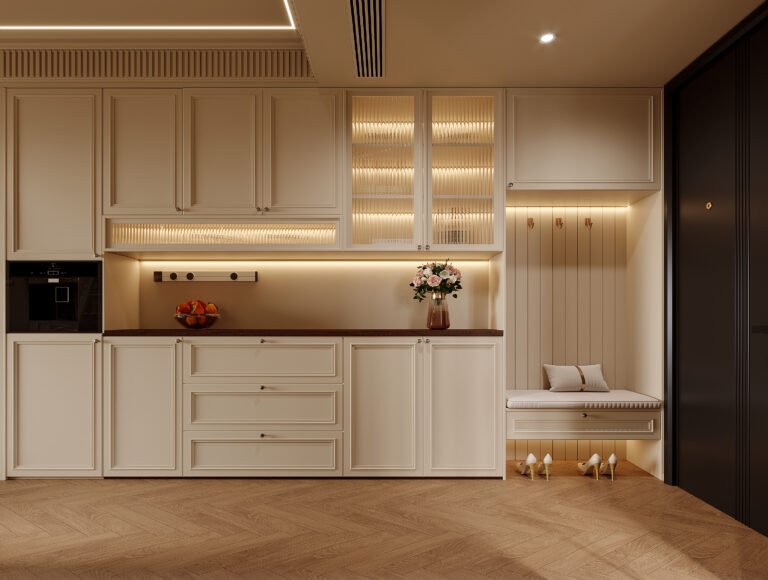
The answer affects almost every decision that follows.A kitchen cabinet, for example, needs to handle moisture, frequent cleaning, and daily use. A wardrobe system may focus more on structural stability and appearance over time. For commercial projects such as hotels, offices, or retail spaces, installation efficiency and consistency between multiple units often become critical factors.
In many projects, the design process naturally starts from appearance. This is understandable — furniture is a visual product. However, from a manufacturing perspective, appearance is only one part of a successful solution.The application environment, expected usage, load requirements, and installation conditions should be considered together before moving into detailed design.
When these factors are clear from the beginning, manufacturers can provide more suitable recommendations and help avoid changes during later production stages.
2. Choosing the Right Panel Construction
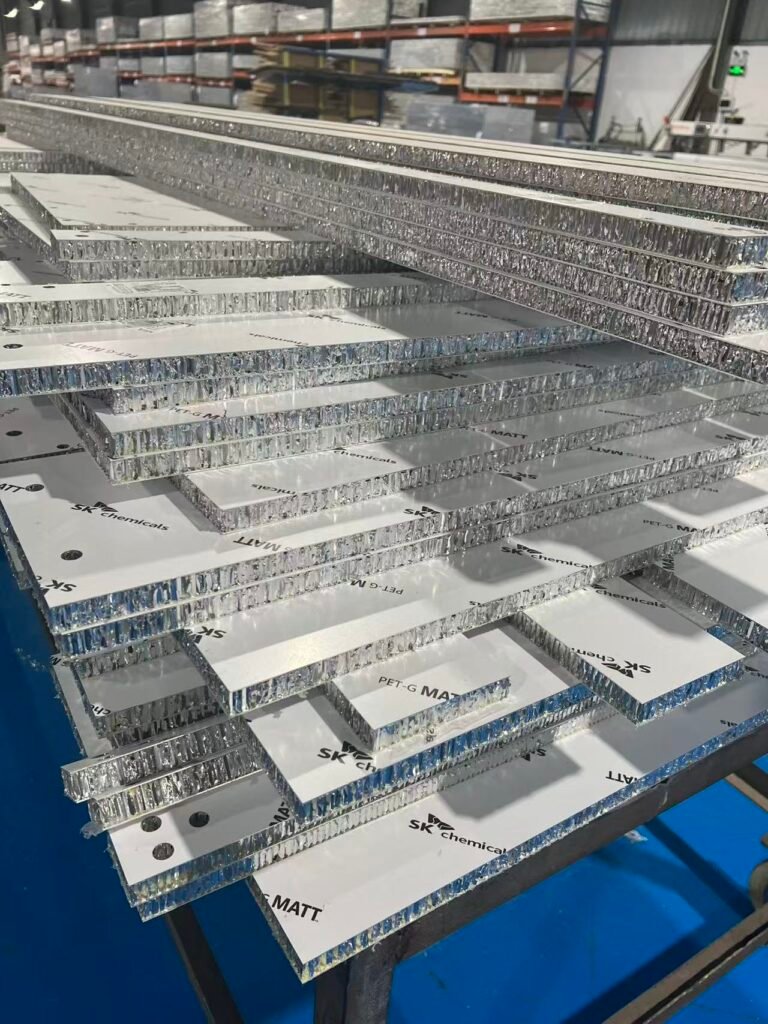
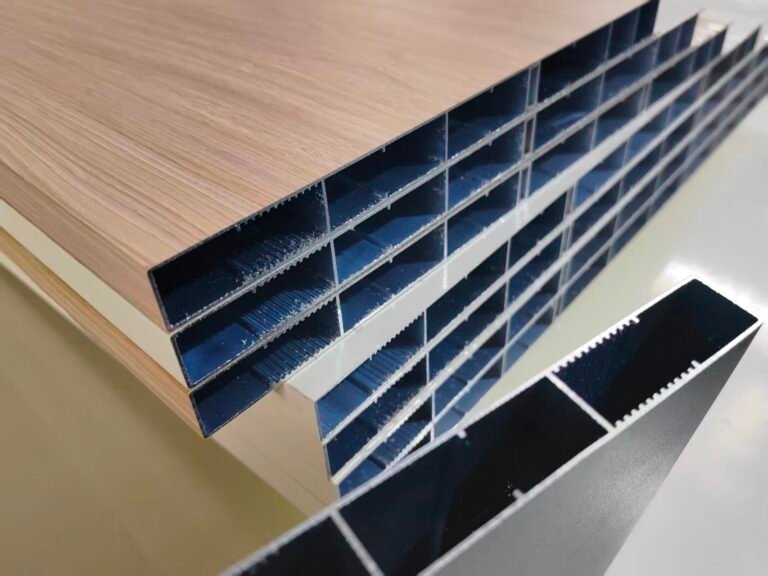
The panel structure is one of the most important decisions in aluminum furniture development.Unlike traditional furniture materials, aluminum furniture can be produced with different panel constructions depending on the project requirements. The internal structure directly influences weight, rigidity, processing methods, and long-term performance.
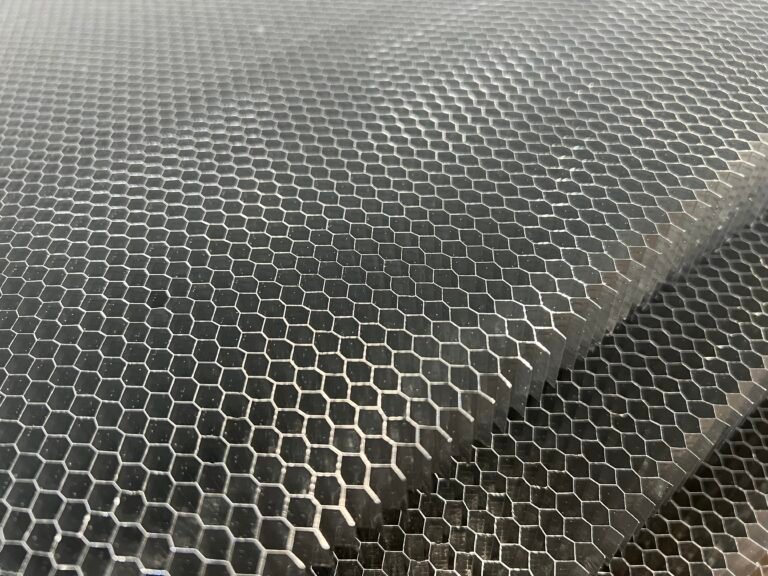
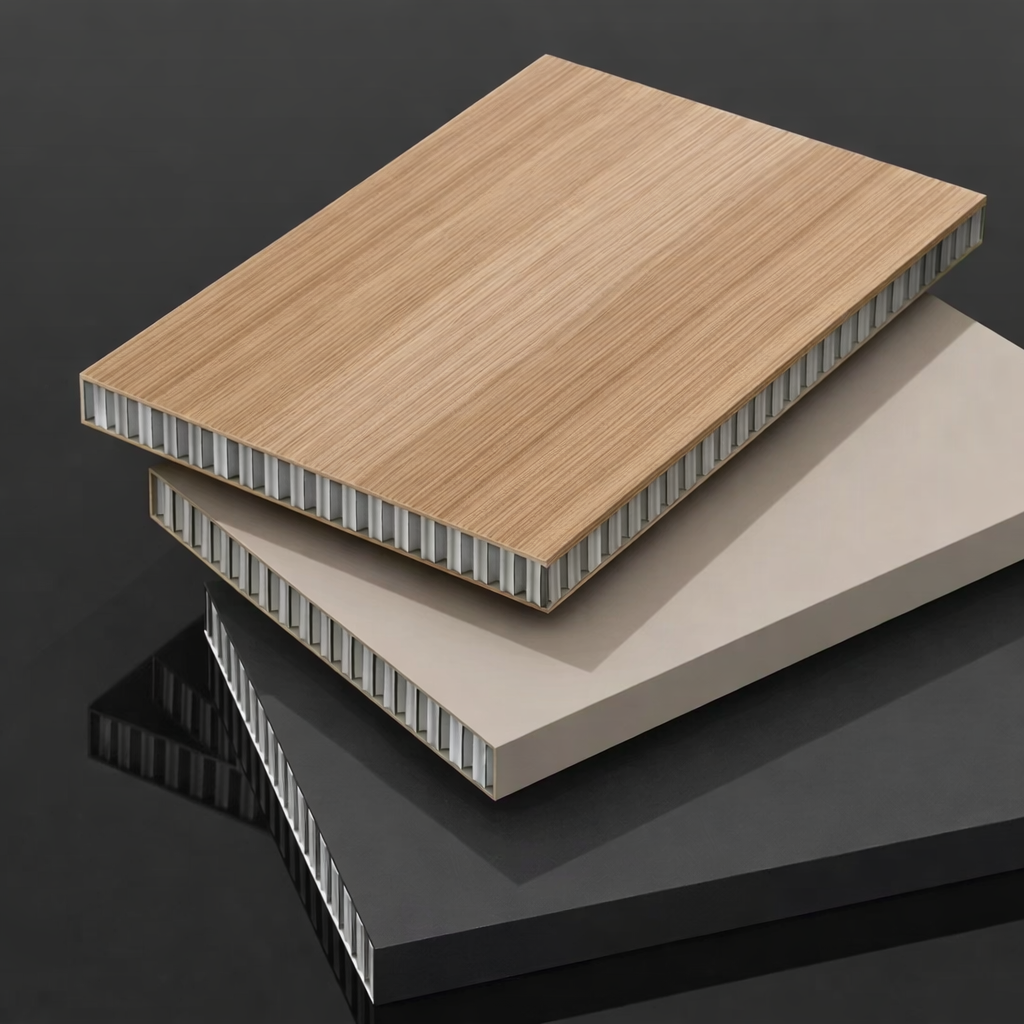
For example, aluminum honeycomb panels are often selected for projects that require lightweight structures while maintaining excellent strength. In applications where stronger integrated structures are needed, aluminum welded panel solutions may provide another option.
However, the strongest material is not always the best choice.The right panel construction depends on how the furniture will be used, the size of the components, the required strength, surface finishing expectations, and the manufacturing process.
One situation we often encounter is that the panel structure is decided after the design has already been completed. At that point, changing the material construction may affect dimensions, appearance, or even the original design intention.
A better approach is to discuss material structure during the early design stage, allowing the manufacturer to help find the balance between creativity and manufacturability.
3. Panel Thickness and Size: Small Details That Affect the Final Result
Panel thickness may seem like a simple technical specification, but it has a direct impact on both design appearance and production feasibility.A thinner panel can create a lighter visual feeling, while a thicker structure may provide additional rigidity. However, choosing the right thickness is not simply about selecting a larger specification.
The decision needs to consider the actual application, component size, expected load, processing method, and installation requirements.For large furniture components, panel dimensions are also important. The available sheet size can influence cutting efficiency, material utilization, and production cost.
This is why experienced manufacturers usually review these details before production begins. A small adjustment during the drawing stage is much easier than modifying the structure after manufacturing has started.
4. Joints, Edges and Hardware Need to Be Part of the Design
Many furniture designs look simple from the outside, but the hidden connection details determine whether the product can be built successfully.In aluminum furniture, joints and hardware are not only functional components. They also influence the appearance, assembly process, and long-term usability.
For example, the position of connectors, edge treatment methods, and hardware accessibility can affect both production and installation.
A common mistake is focusing on the visible surfaces while leaving structural details until the final stage.
From a manufacturing perspective, the best results usually come when designers and engineers discuss these details together. Small improvements in connection design can often make the entire production process smoother.
5. Understanding Fabrication Limitations Before Production
A good design needs to work together with manufacturing capabilities.Understanding manufacturing limitations is only the first step. For aluminum furniture manufacturers, creating a flexible production system is equally important. By combining standardization and modular manufacturing methods, companies can support more customized projects while maintaining production efficiency. Learn more about how aluminum furniture manufacturers balance customization and manufacturing complexity in our article. How Aluminum Furniture Manufacturers Can Offer More Customization Without Making Production Too Complex
A concept that looks perfect in a 3D model may face unexpected challenges during fabrication. Cutting methods, machining accuracy, welding requirements, and assembly processes all influence the final outcome.
This does not mean designers should reduce creativity. Instead, understanding production limitations allows designers to create solutions that are both innovative and realistic.
During the engineering review stage, manufacturers usually help evaluate whether the design can be produced efficiently and whether any details need optimization before production begins.
Early communication saves time for everyone involved.
6. Coordinate Drawings With the Manufacturer
A drawing is not only a visual representation of the product. It is also the communication bridge between design and manufacturing.
For customized aluminum furniture projects, drawings need to clearly communicate dimensions, material requirements, connection details, finishing expectations, and installation information.In practice, manufacturers often discover potential problems during drawing review, such as difficult assembly methods or unnecessary processing steps.
These discussions are not about changing the designer’s original idea. They are about finding a better way to achieve the same design goal through practical manufacturing solutions.
A successful project is usually the result of collaboration rather than a simple transfer from drawing to production.
7. Validate Samples Before Moving Into Production
For customized aluminum furniture, sample validation is an important step before mass production.
A prototype allows designers and manufacturers to evaluate details that cannot always be fully understood from drawings, including appearance, structural performance, assembly process, and finishing quality.During this stage, adjustments can be made with much lower cost and risk.
For complex projects, sample approval provides confidence that the final production will meet both design expectations and practical requirements.
8. Consider Installation From the Beginning
Installation is often considered the final step of a furniture project, but it should actually be planned much earlier.A product can be perfectly designed and manufactured, but installation difficulties may still affect the final result if site conditions are not considered.
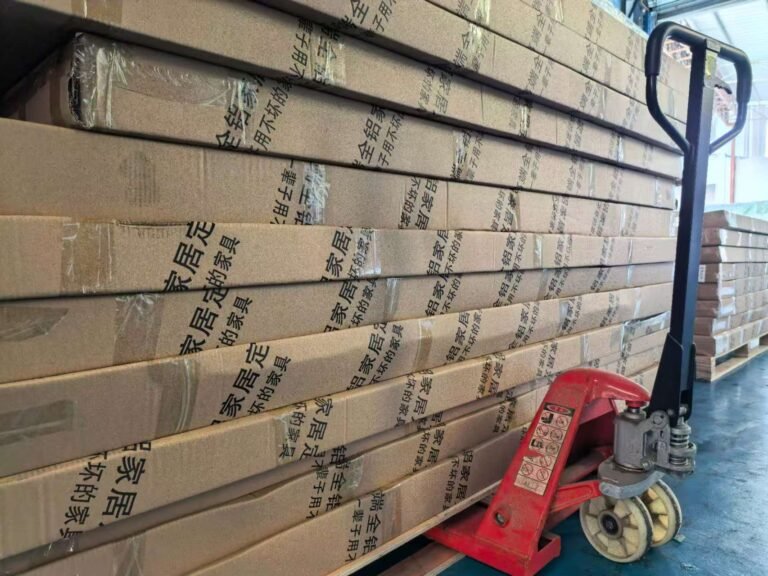
Transportation methods, assembly sequence, available tools, and on-site conditions all influence how smoothly the project can be completed.
By considering installation during the design and production stages, manufacturers and designers can create furniture systems that are easier to install and more reliable in real applications.
Conclusion: Designing Furniture That Can Be Built
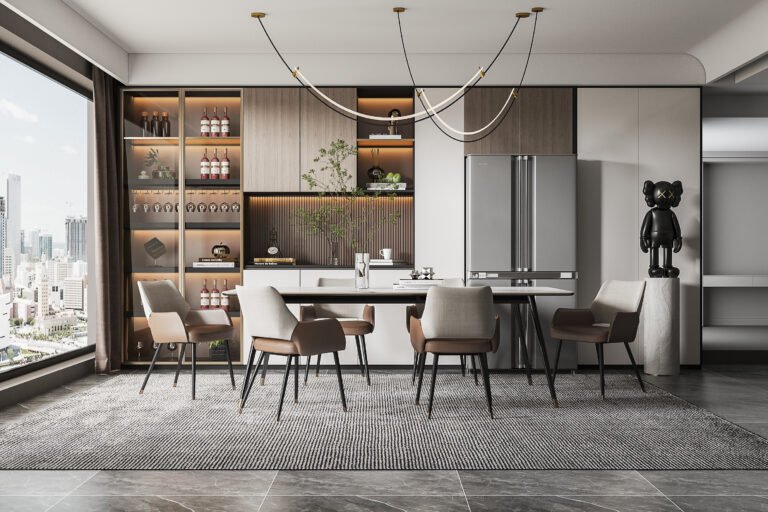
Aluminum furniture gives designers more possibilities in terms of durability, customization, and modern interior applications.
However, a successful project requires more than an attractive design concept. It requires cooperation between creative ideas, engineering knowledge, and manufacturing experience.The best furniture solutions are created when designers and manufacturers work together from the beginning — transforming ideas into products that are practical, durable, and ready for real-world use.
A great design is not only something that looks good on paper. It is something that can be built, installed, and trusted.