How to Approve Aluminum Cabinet Door Samples Before Mass Production
A practical 5-point gate for signing off aluminum cabinet door samples before mass production: drawings, finish, machining, trial assembly, and packaging.
Drawings were approved. The finish sample looked perfect. Then the first shipment still needed adjustments on site.
This happens more often than buyers expect, and the material is rarely the cause. The weak spot is the sample approval step.
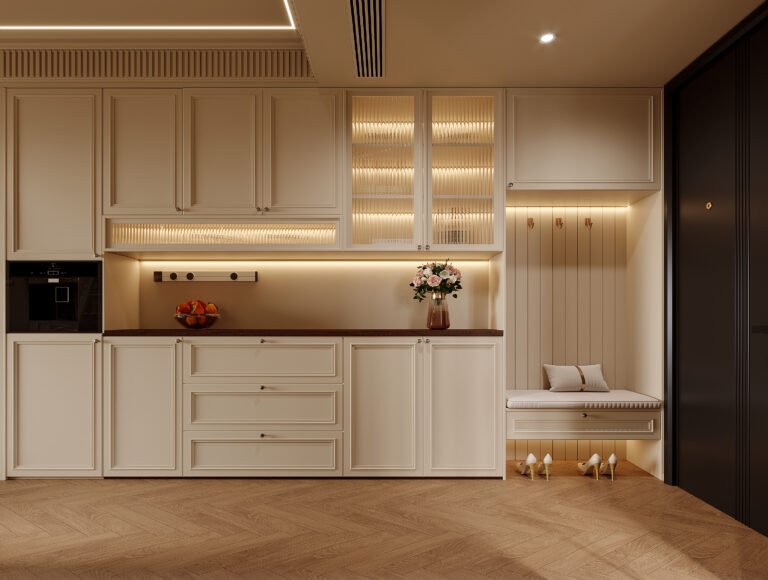
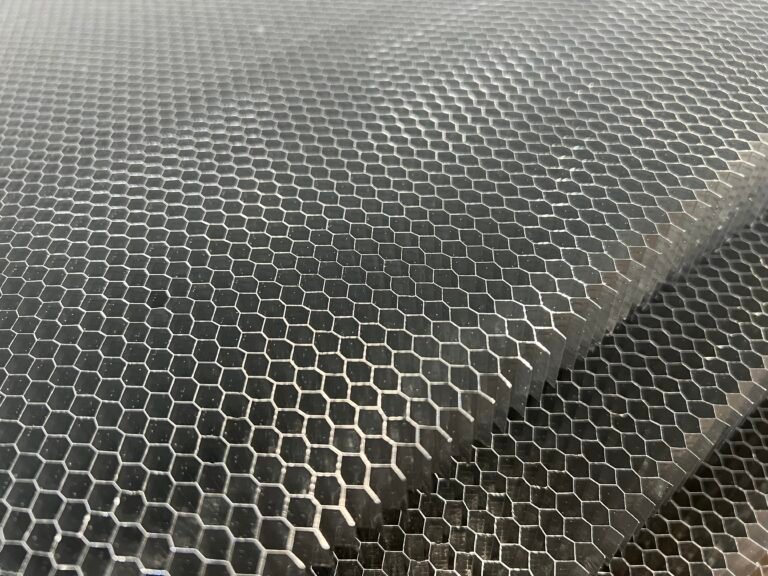
Aluminum cabinetry is showing up more in kitchens, wardrobes and bathrooms, and a lot of it uses honeycomb panels. Those panels resist moisture and hold their shape, but they still need precise machining and a clear spec before production starts.
Of all the parts in an aluminum furniture project, the cabinet door is the right place to set your production standard. One door brings together surface finish, CNC machining, edge quality, hardware prep and assembly fit. Approve the door sample first, and you can carry that same standard into the rest of the project.
Treat sample approval as a five-point gate. Do not release mass production until all five are signed off.
1. Confirm the latest drawing revision
Every good sample starts from the latest approved drawing. Before CNC machining begins, both sides have to work from the same revision. Check the overall dimensions first, then the details that usually get missed:
- Door opening direction
- Panel thickness
- Edge treatment
- Handle position
- Hinge specifications
- Hole locations
- Special machining notes
On aluminum honeycomb doors, even a small revision changes the drilling program and where the hardware lands. Write the revision number and date on the signed drawing so there is no argument later about which version was approved.
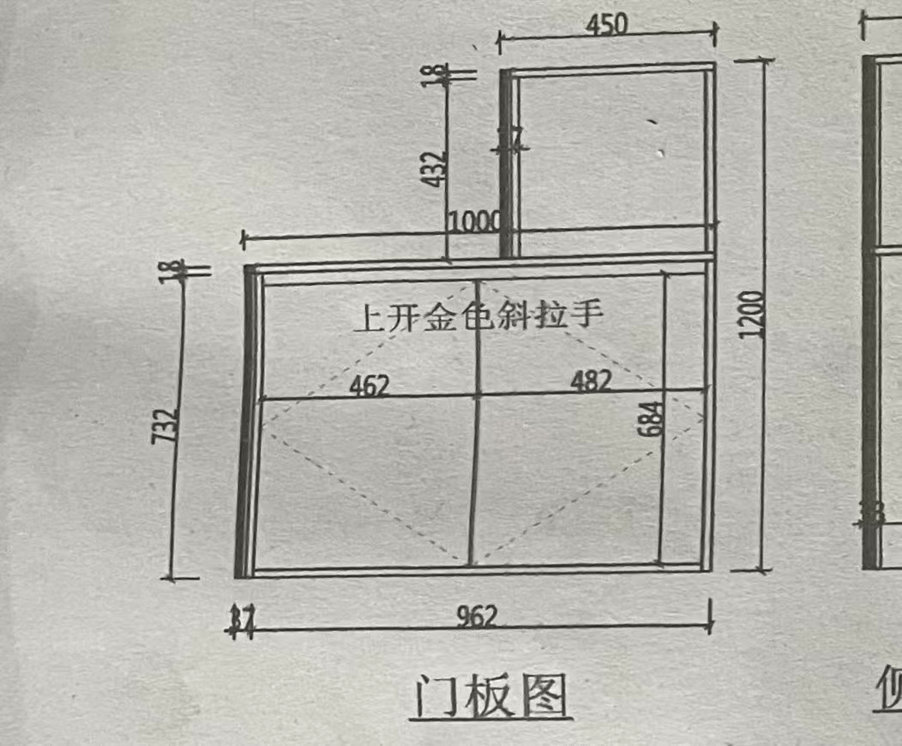
Image: engineering drawing of the door, with dimensions, hole positions, opening direction and revision number marked.
Gate 1: the latest drawing revision is signed off, with the revision number recorded, before production starts.
2. Approve the finish standard
Use the finish sample as the visual standard for the whole run, not just a color chip. For powder coating, film lamination or wood-grain finishes, confirm:
- Color consistency
- Surface texture
- Gloss level
- Grain direction
- Edge appearance
Set these early so the doors stay consistent across the project. Judge the sample under the same lighting the installed doors will live in, because color and gloss shift under different light.
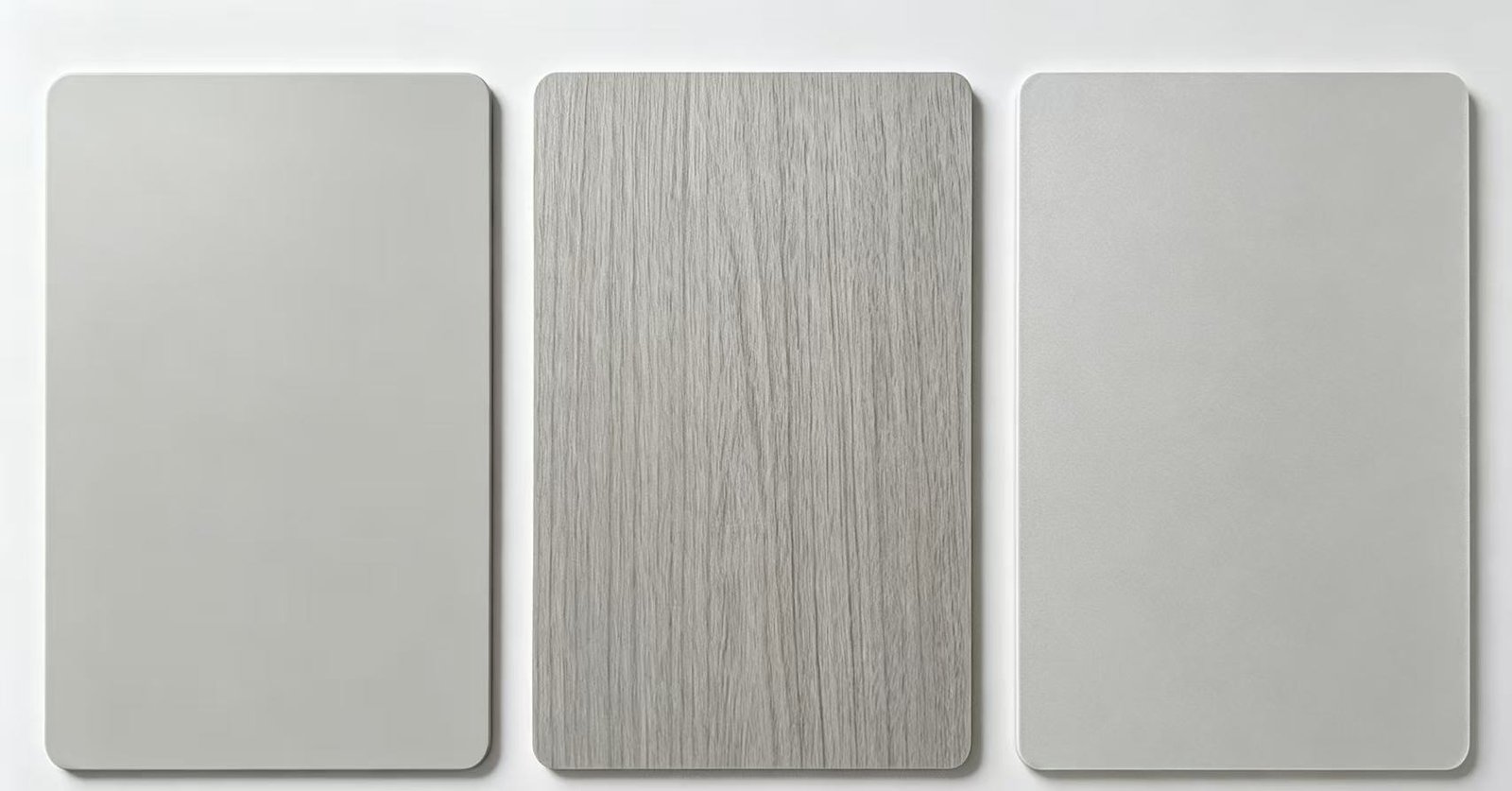
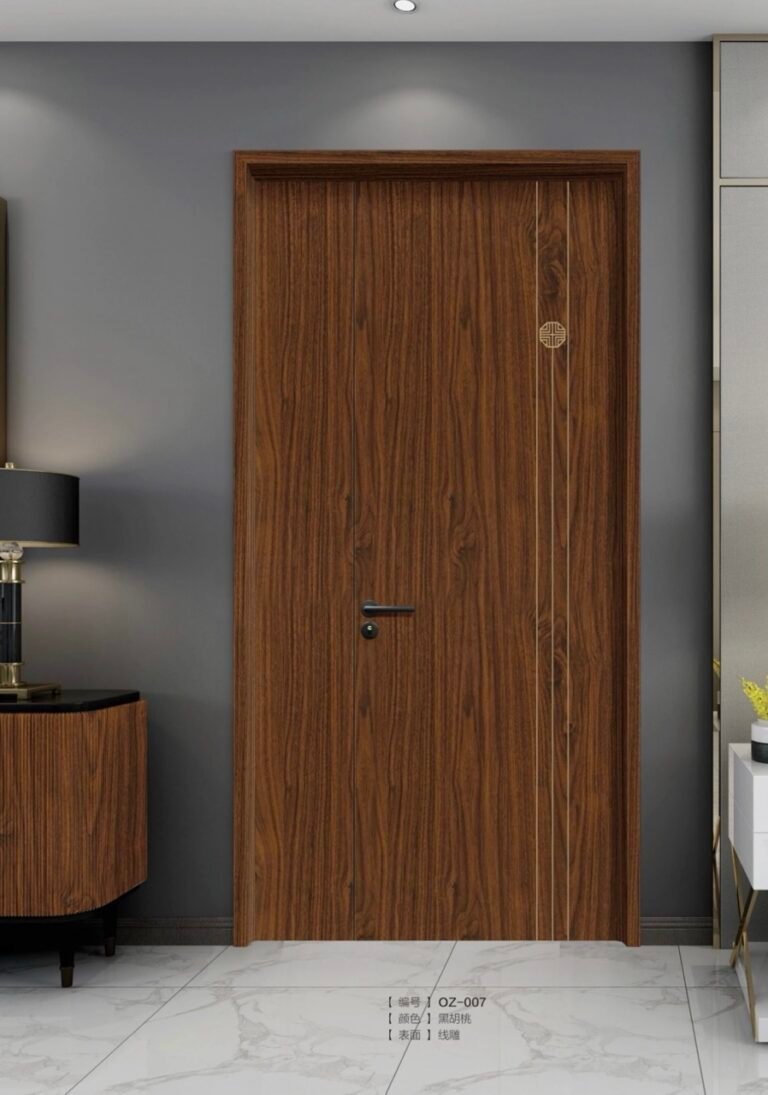
Image: finish samples for powder coating, wood grain and film lamination.
Gate 2: the finish sample is approved and kept as the reference panel before production is released.
3. Verify machining before appearance
A door can look flawless and still fail at install. Before you sign off the first sample, check the machining:
- Edge finishing
- Hinge holes
- Handle holes
- Connector holes
- Threaded inserts
On honeycomb panels, machining accuracy matters as much as the finish, because every hole drives the final assembly. The skin is thin and the core is soft, so a hole drilled in the wrong place or with the wrong tool can tear the core and weaken the joint. Check that holes land where the drawing says, not just that they look clean.
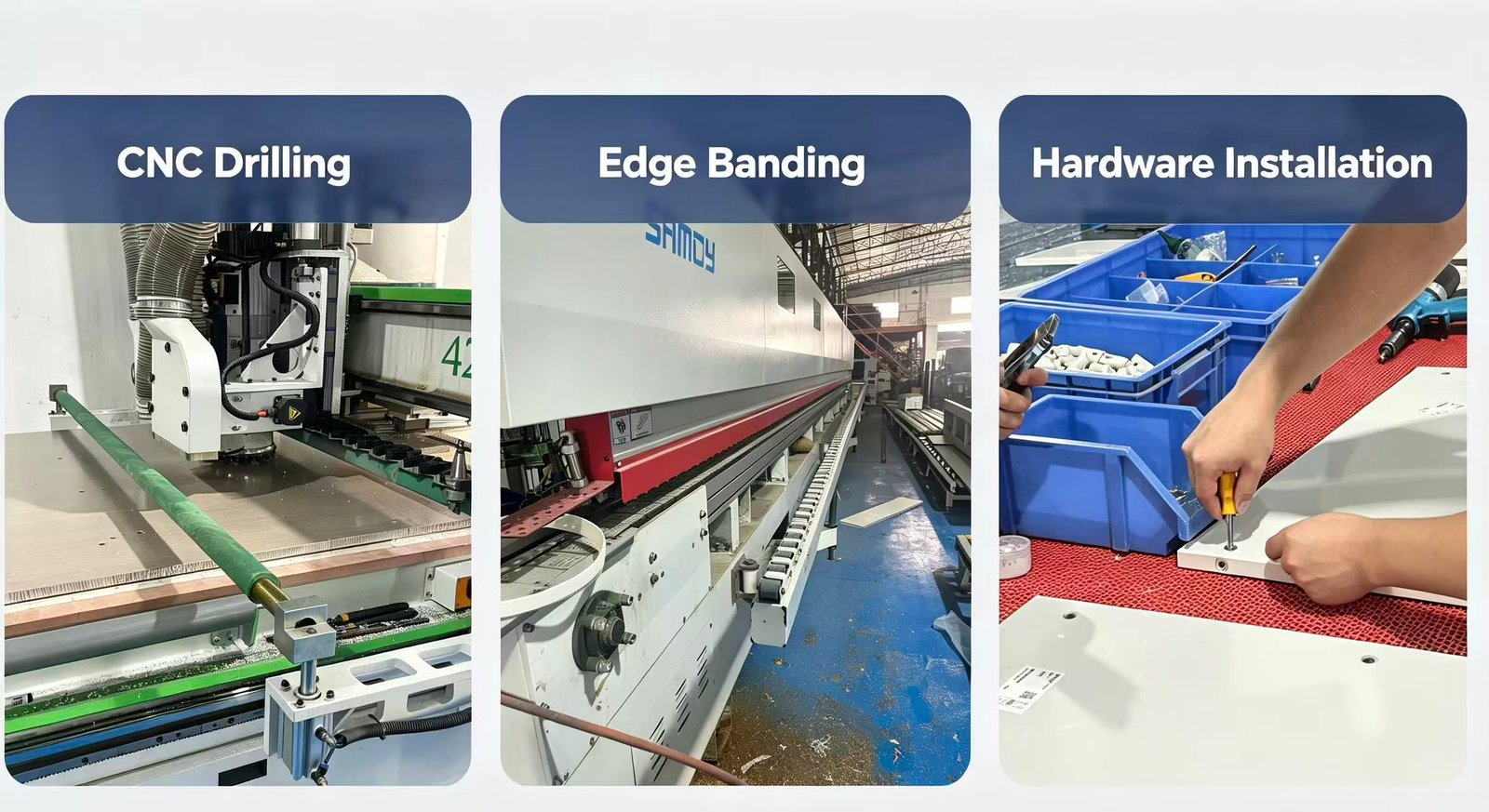
Image: edge banding, CNC drilling, handle holes, hinge holes, embedded hardware.
Gate 3: edge quality, hole position and hardware prep are verified before the sample is approved.
4. Assemble the first article
Build one complete trial assembly. It is the fastest way to catch problems before mass production. Check that:
- The door opens and closes smoothly
- Hardware fits correctly
- Door gaps are even
- Alignment matches the approved drawings
Fixing one sample costs far less than reworking hundreds of finished panels. For custom aluminum furniture, this step also confirms the door works with the cabinet body and its hardware, not just on its own.
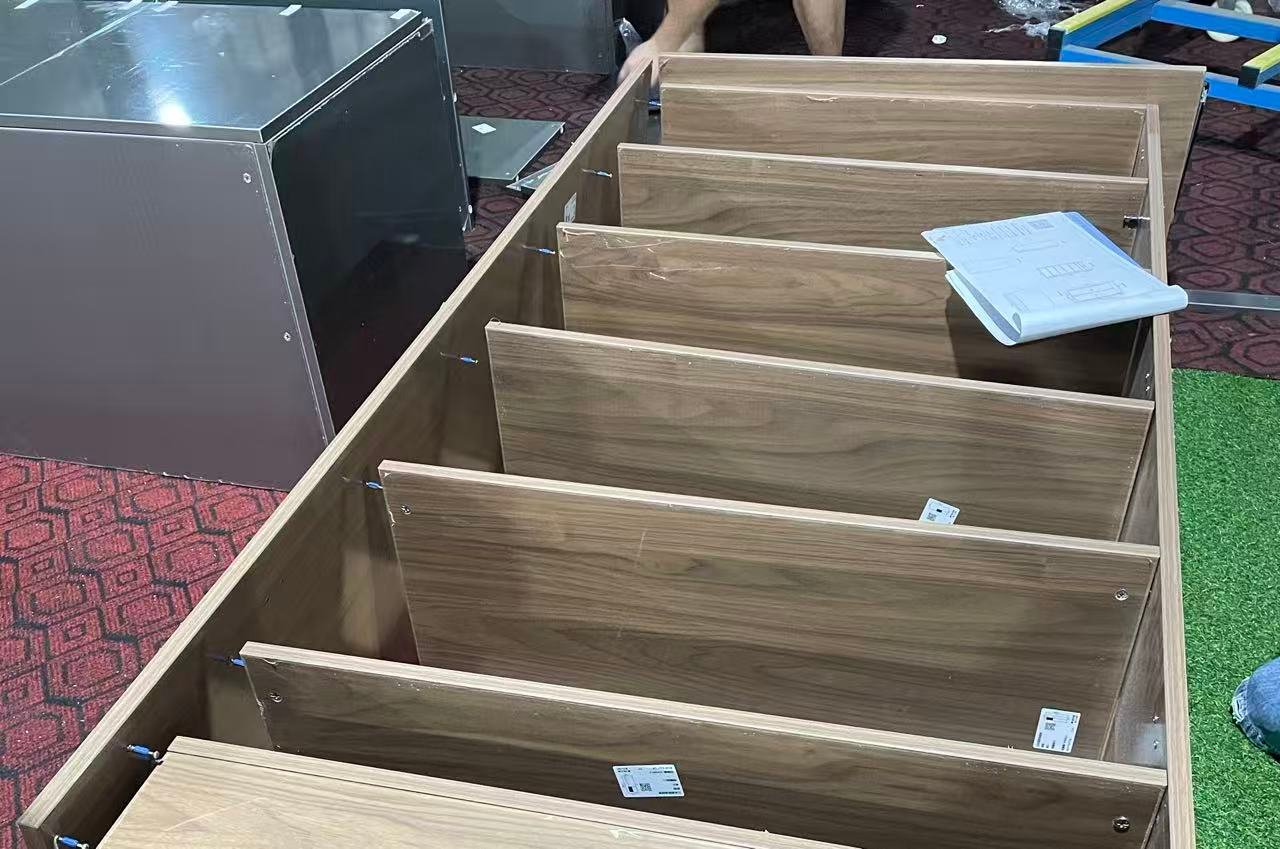
Image: first-article trial assembly, door-gap check, open/close test.
Gate 4: a full trial assembly is built and passes before mass production is approved.
5. Review packaging before shipment
Approval does not stop at inspection. Packaging belongs in the process too. Before shipment, confirm:
- Surface protection film
- Corner protection
- Product labels
- Hardware packaging
- Carton condition
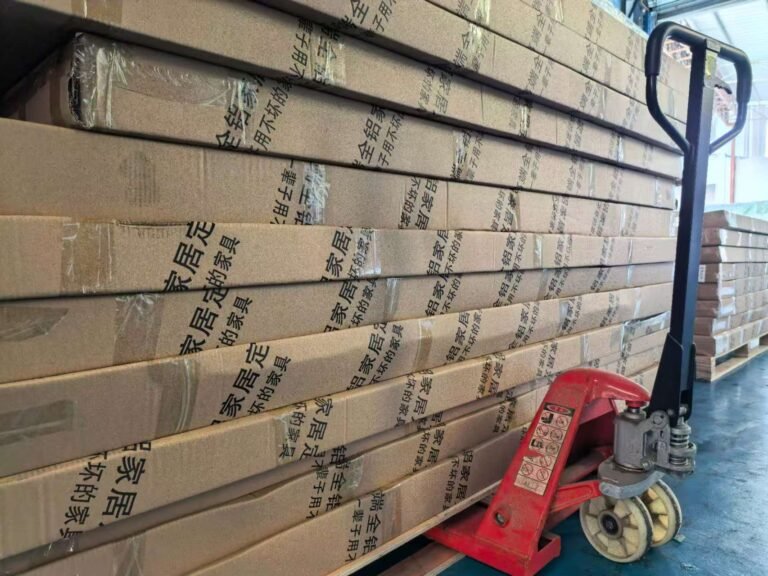
This matters most for honeycomb panels and finished doors going overseas. Take packaging photos before loading. They are your proof if anything is damaged in transit and a claim follows.
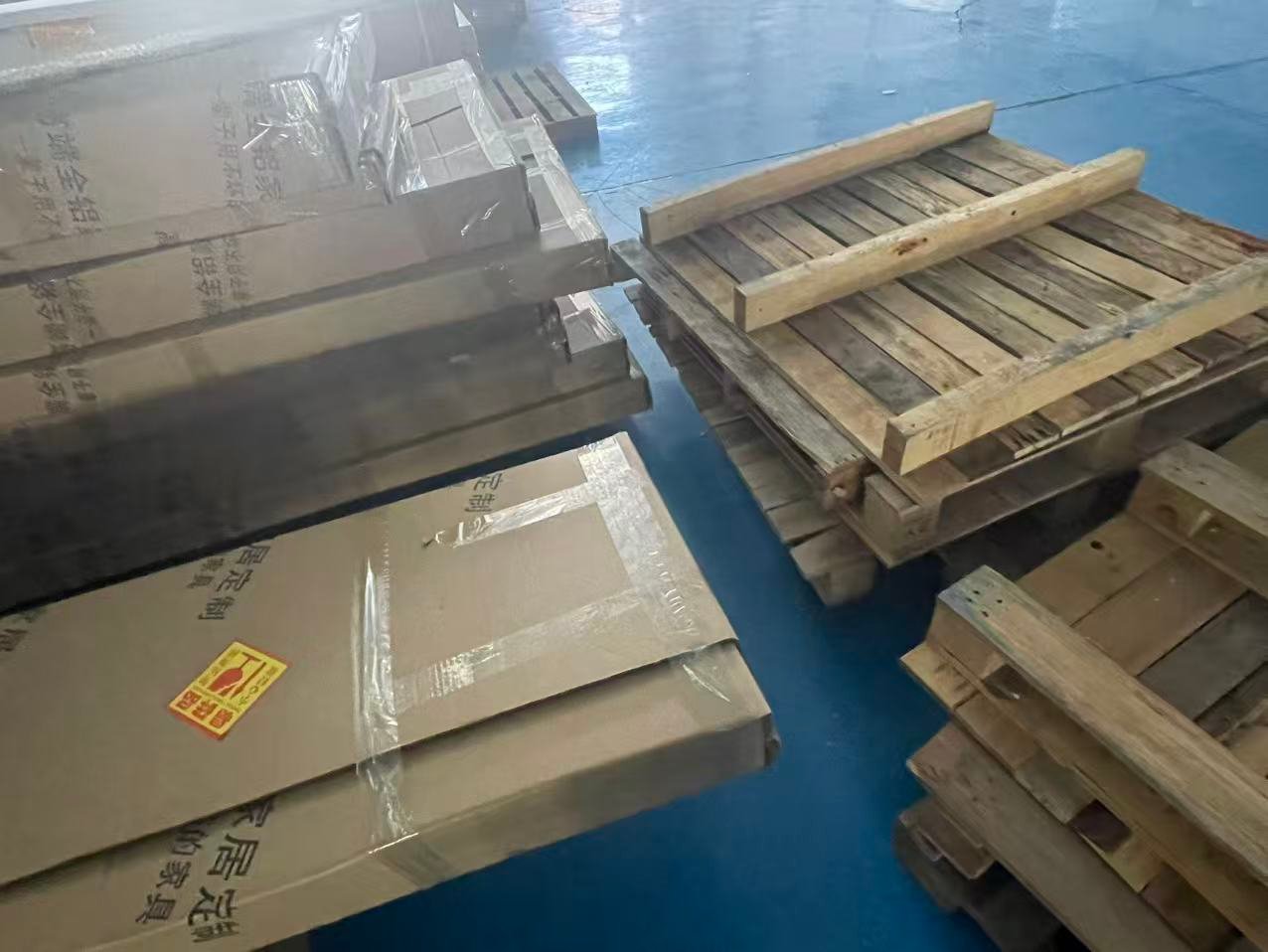
Image: export packaging, corner guards, labels, carton photos.
Gate 5: surface and corner protection, labeling and carton condition are confirmed before shipment.
One approved sample sets the standard
This guide uses the cabinet door as the example, but the same five gates apply to full custom aluminum furniture, honeycomb panels and welded aluminum panel work. Confirm drawings, finish, machining, assembly and packaging in that order, and the approved sample becomes the standard for everything after it. A fixed approval process cuts rework, speeds up installation and keeps quality steady from the first sample to the last shipment.
Before you request a sample
Get these together first:
- Latest drawing revision
- Finish reference panel
- Quantity breakdown
With those in hand, you can brief the factory on every critical point before production begins, instead of discovering gaps after the first shipment.