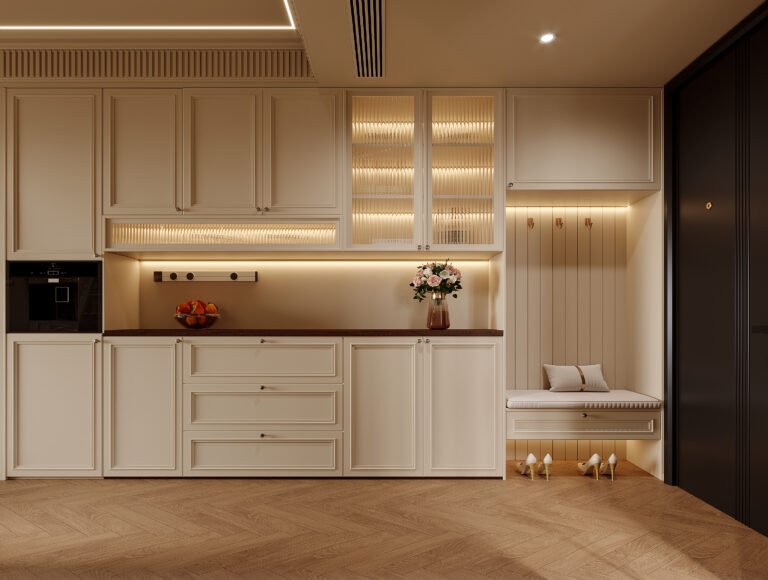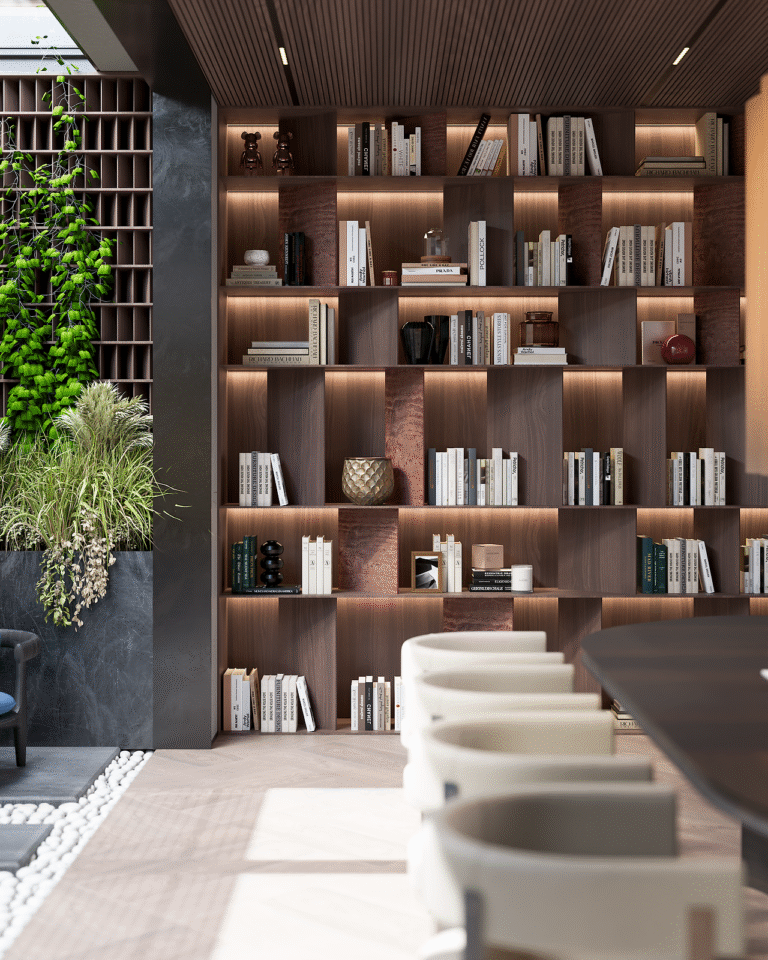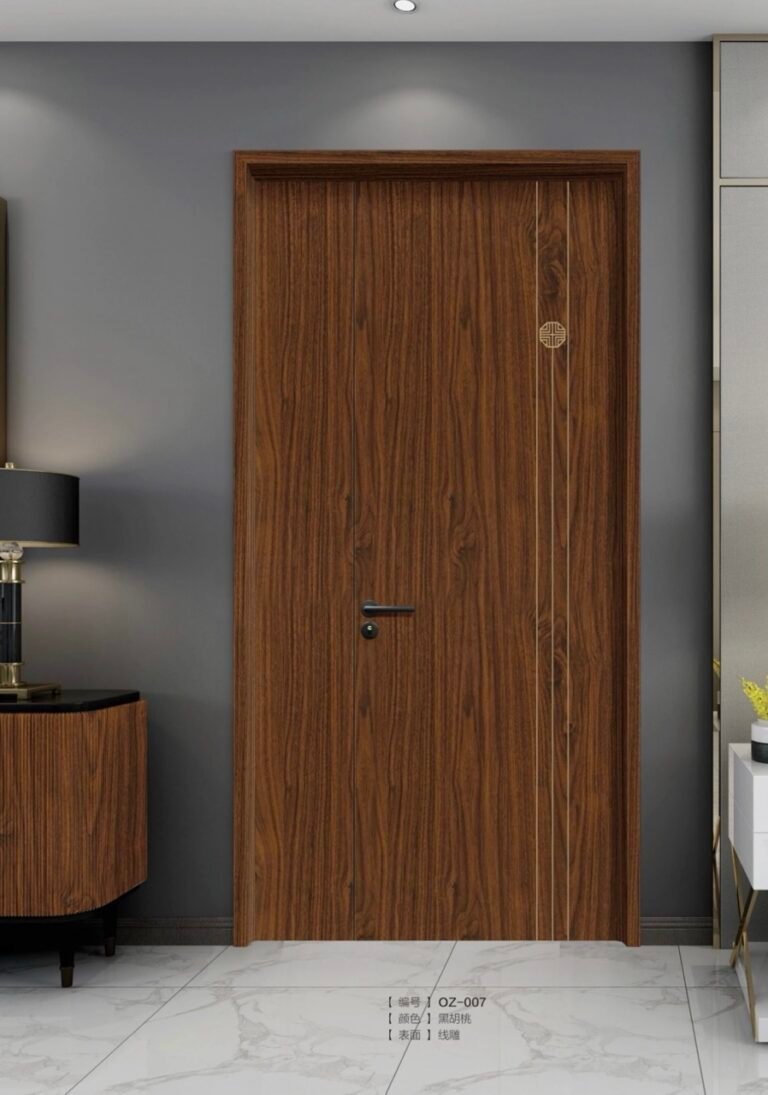
Choosing aluminum honeycomb panels for a cabinetry project is becoming increasingly common in residential, hospitality, and commercial interiors. They appreciate their lightweight construction, moisture resistance, and clean modern appearance.
However, specifying the material is only half of the job.
Many project issues—such as warped cabinet doors, uneven surfaces, edge failures, or inconsistent quality between suppliers—are not caused by aluminum honeycomb panels themselves. They are caused by incomplete specifications.
If your tender or RFQ simply states “18 mm aluminum honeycomb panel,” different suppliers may interpret that requirement in completely different ways. Although the finished panels share the same thickness, their durability, appearance, and long-term performance can vary significantly.
Why Thickness Alone Isn’t Enough
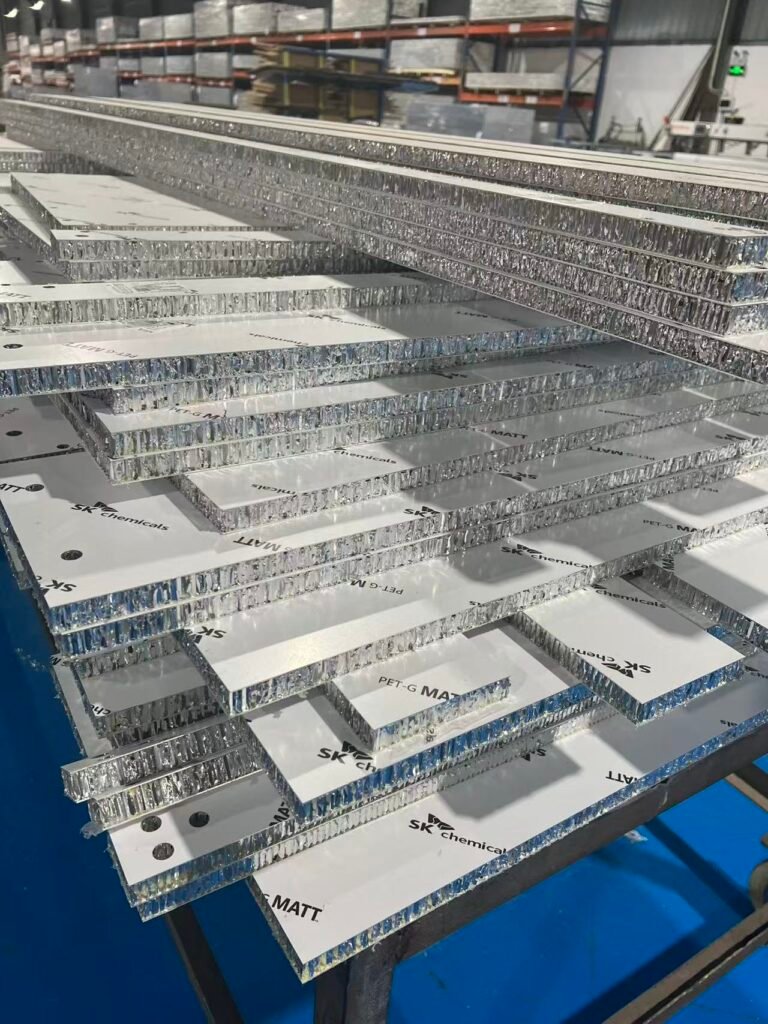
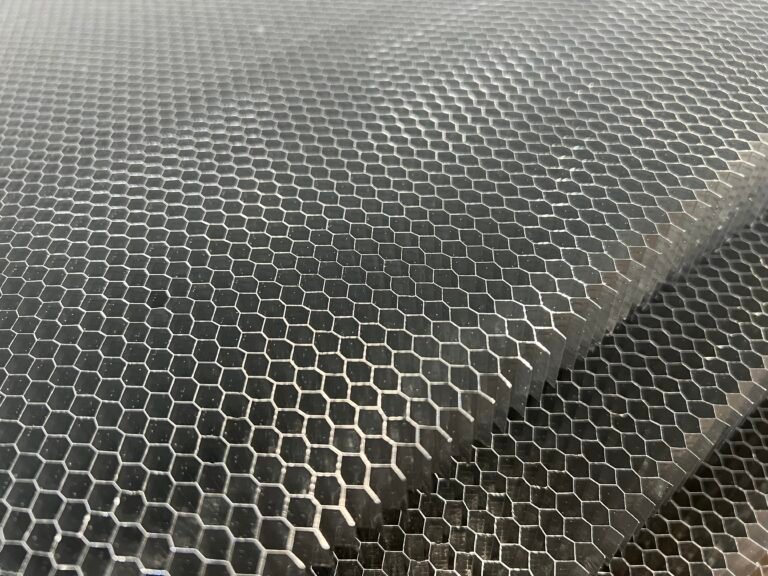
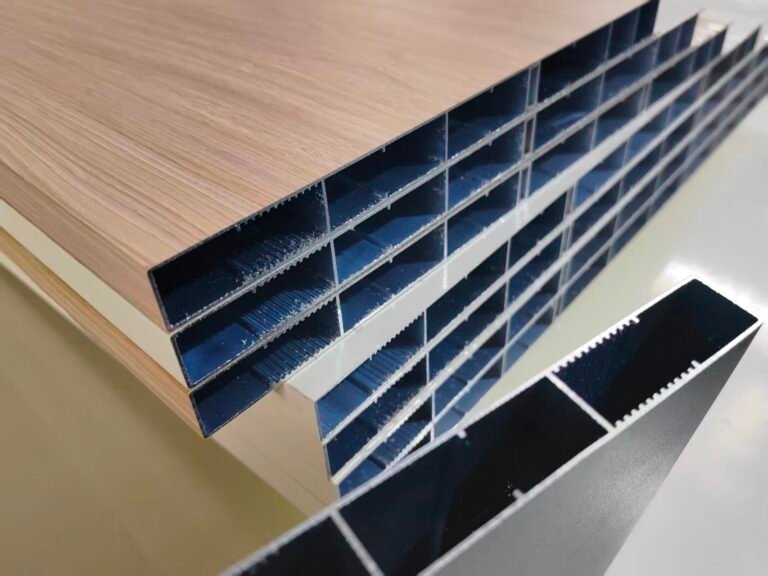
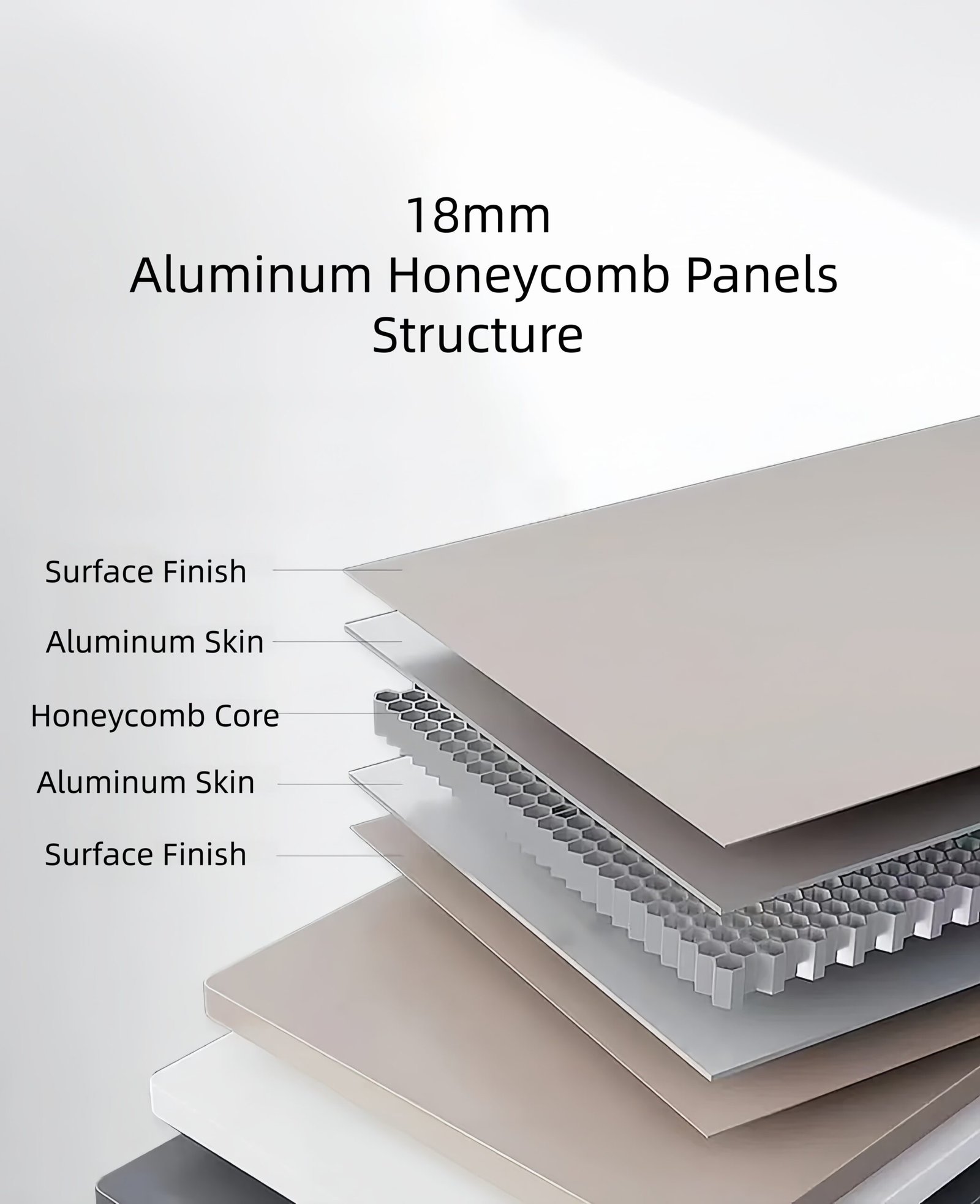
An aluminum honeycomb panel is more than a single sheet of material. It is a complete sandwich structure made up of several components, each contributing to the panel’s performance.
A complete panel specification should consider:
• Panel construction
• Surface finish
• Edge treatment
• Performance requirements
When these elements are left undefined, suppliers are free to make different material choices, making it difficult to compare quotations fairly or ensure consistent product quality.
Five Things Every Specification Should Include
1. Define the Panel Construction
Instead of specifying only the overall thickness, describe the complete panel structure.
A clear specification should identify the panel build-up and confirm that all layers are designed for cabinetry applications. This helps suppliers understand the expected quality level and minimizes ambiguity during production.
2. Specify the Surface Finish
The finish affects both appearance and durability.
Rather than using general descriptions like “high-quality coating,” specify the required finish, color approval process, and any performance expectations for corrosion or wear resistance.
This ensures all suppliers quote against the same visual standard.
3. Clarify Edge Treatment
Edges are often overlooked, yet they play a major role in long-term durability.
Your specification should clearly define how panel edges are sealed and finished, especially for cabinets installed in kitchens, bathrooms, or other humid environments.
Proper edge treatment helps improve moisture resistance and extends service life.
4. Focus on Performance, Not Just Materials
Instead of concentrating only on material grades, define the performance you expect from the finished panel.
Typical requirements may include:
• Surface flatness
• Structural stability
• Reliable bonding
• Resistance to moisture and deformation
Performance-based specifications provide suppliers with clear quality expectations while allowing appropriate manufacturing solutions.