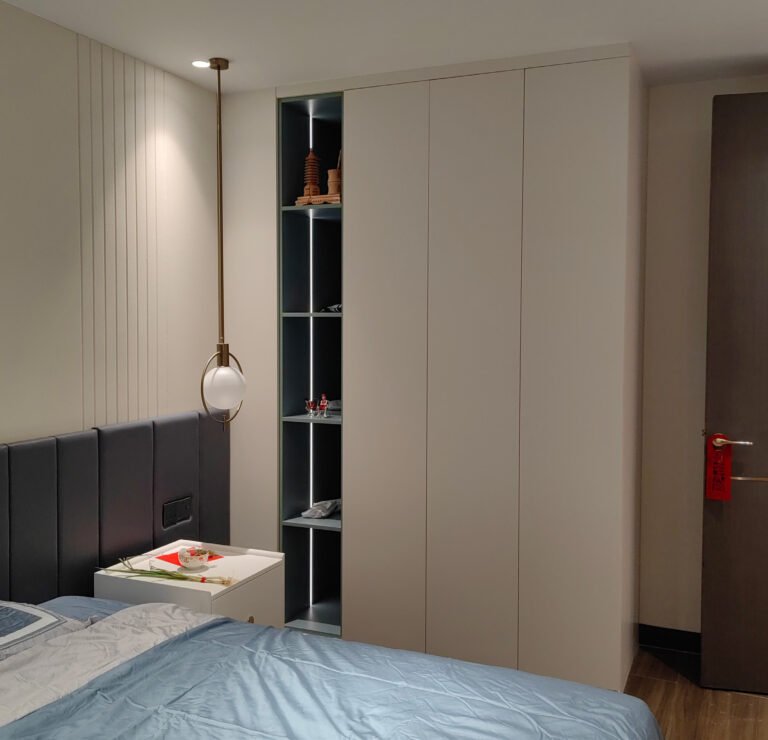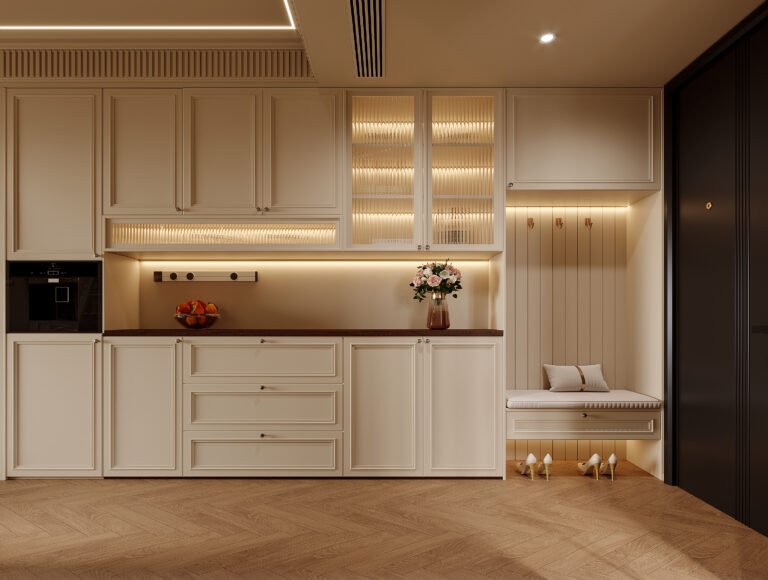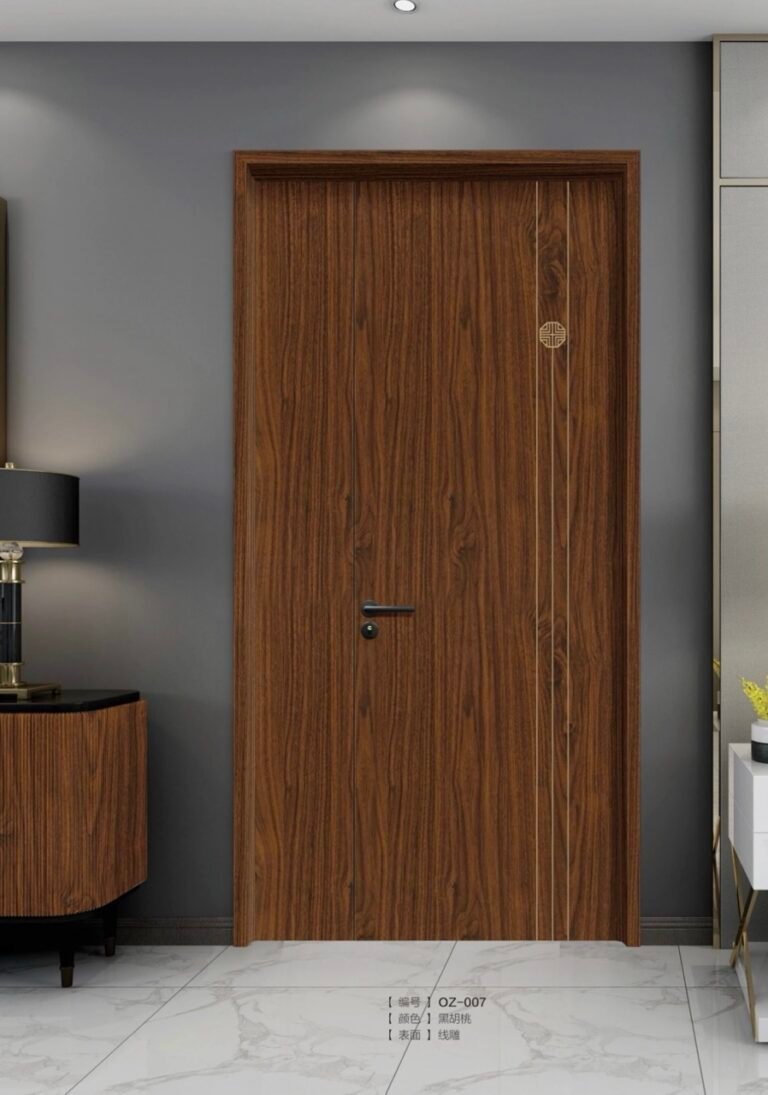
A custom cabinet project may start with a simple drawing, but turning that design into finished cabinet panels requires careful work at every stage. Accurate dimensions, precise machining, proper assembly, quality inspection, and safe packaging all play an important role in the final result.
For overseas customers, the production process is especially important. A panel that looks correct on a drawing still needs to be manufactured accurately, checked before shipment, and properly protected during transportation.
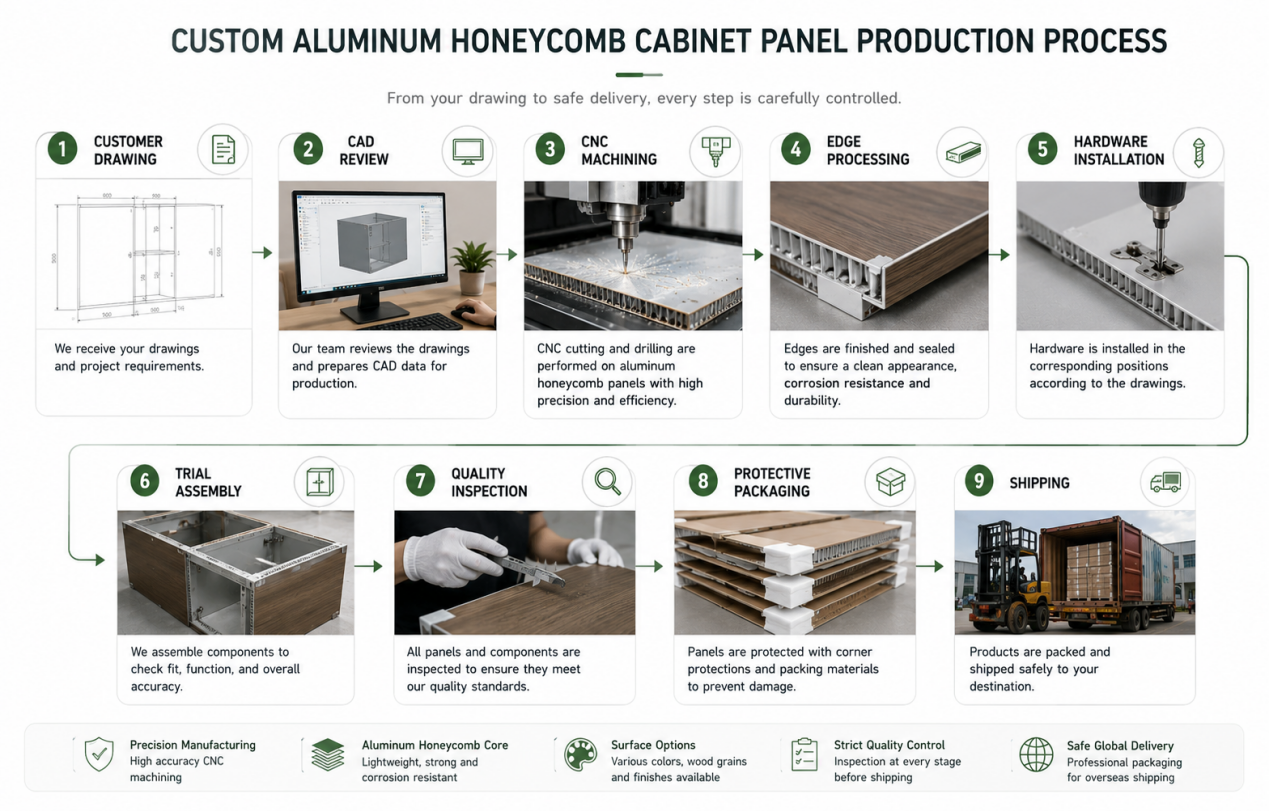
In this article, we’ll take you behind the scenes of our production process — from receiving your drawings and preparing CAD data to CNC machining, hardware installation, trial assembly, quality inspection, protective packaging, and final delivery.
Here is how we turn your drawings into finished cabinet panels.
 1.Start with Your Drawings
Every custom project starts with the customer’s drawings.Once we receive your drawings, our team reviews the dimensions, specifications, panel requirements, hole positions, and other production details. This helps us understand the project clearly before production begins.
If any details need to be confirmed, they can be addressed at this stage rather than during production.This initial review helps create a clear production plan before the first panel is processed.
2. CAD Design and Production Preparation
After the drawings have been reviewed, our designers prepare the production data and CAD files for manufacturing.The CAD data provides precise information for CNC processing, including panel dimensions, cutting positions, and drilling locations.
Before machining starts, the production files are checked to make sure they match the customer’s requirements.The goal is to create a clear connection between the original design and the actual production process.
3. CNC Cutting and Drilling
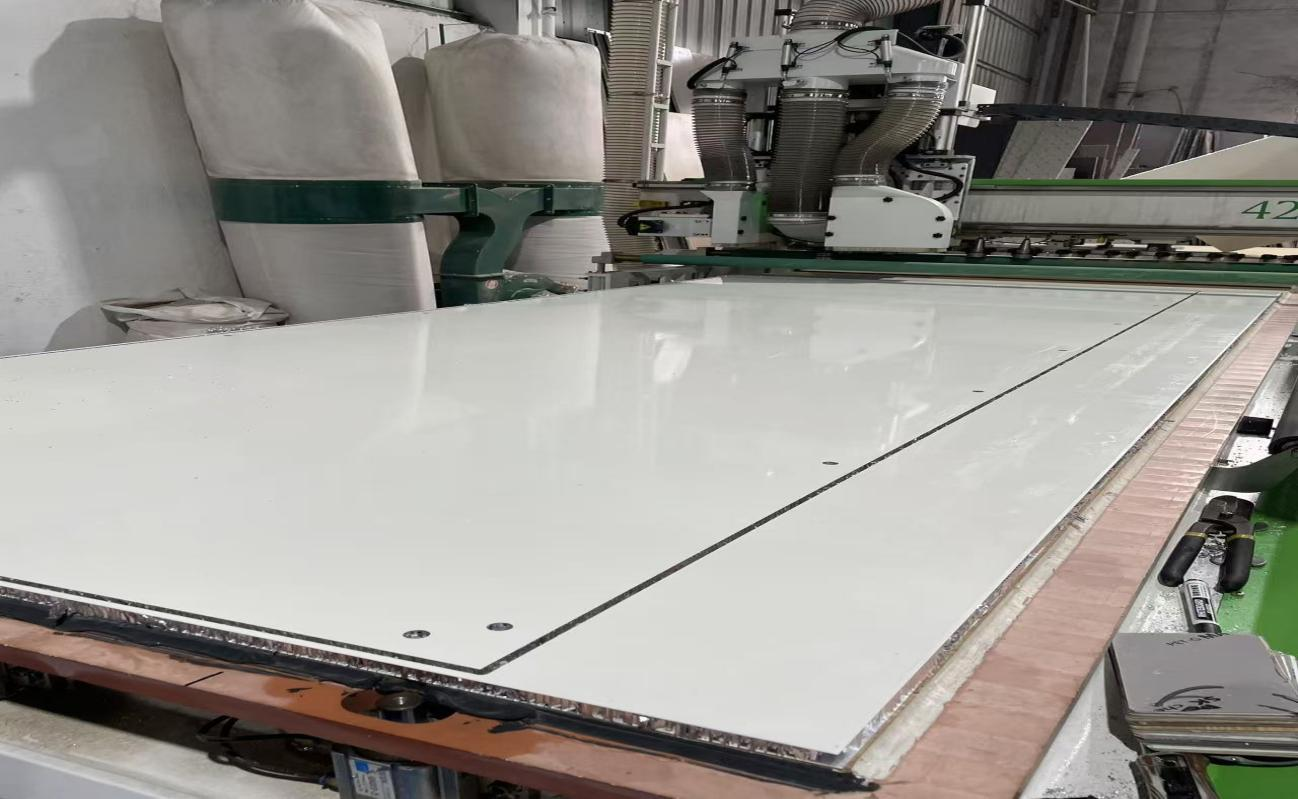
Once the production data is ready, the files are transferred to the CNC machine for processing.The cutting layout is optimized before machining to make better use of the material. The CNC machine then performs cutting and drilling according to the prepared production data.This helps maintain consistent dimensions across multiple panels while reducing unnecessary material waste.
For custom cabinet projects, even small dimensional differences can affect the final assembly. Accurate CNC processing helps keep the panels consistent from piece to piece.
4. Edge Processing, Drilling and Hardware Installation
After CNC cutting, the individual cabinet panels move to the edge processing stage.The edges are carefully finished to create a clean appearance and provide appropriate protection for the finished components.
The required side holes are then drilled according to the production drawings. Accurate hole positioning is important because these holes are used for cabinet assembly and hardware installation.Once the drilling is completed, the corresponding fixing hardware is installed in the required positions.
These processes work together to ensure that the panels and hardware can fit together correctly during assembly.
5. Trial Assembly Before Packing
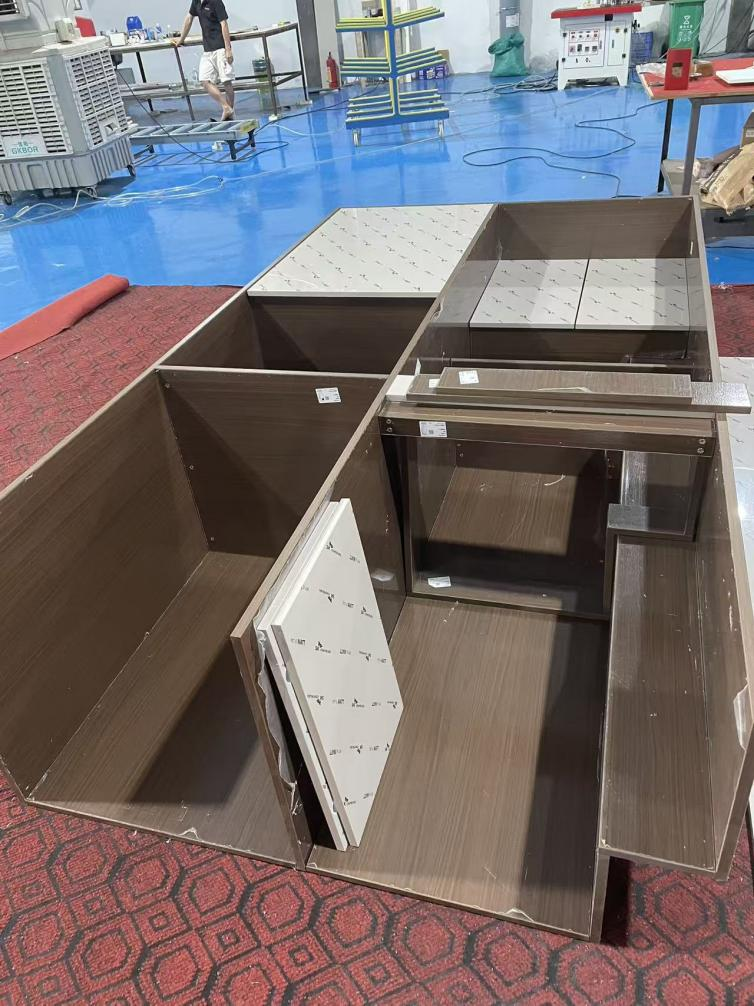
Before the products are packed, we carry out a trial assembly of the relevant components.
The panels, holes, hardware, and connecting parts are assembled together to check whether everything fits as intended.This gives our team an opportunity to identify potential production or assembly issues before the products leave the factory.
Rather than leaving an assembly problem for the customer to discover after delivery, we aim to identify and resolve it during production.
6. Quality Inspection
After trial assembly, the panels and components go through a final quality inspection.
Our inspection focuses on key details such as:
Panel dimensions
Hole positions
Component matching
Hardware installation
Surface condition
Assembly fit
The purpose is simple: to make sure the finished components meet the project requirements before packing.
7. Disassembly and Preparation
After trial assembly and inspection are completed, the components are carefully disassembled where necessary and prepared for packaging.Each panel and component is organized according to the project requirements to make transportation and later installation easier for the customer.
Keeping the components organized at this stage can also make the installation process more efficient once the products arrive at their destination.
8. Protective Packaging for Safe Delivery
For overseas shipments, packaging is an important part of the process.A well-produced panel still needs to be properly protected during transportation.
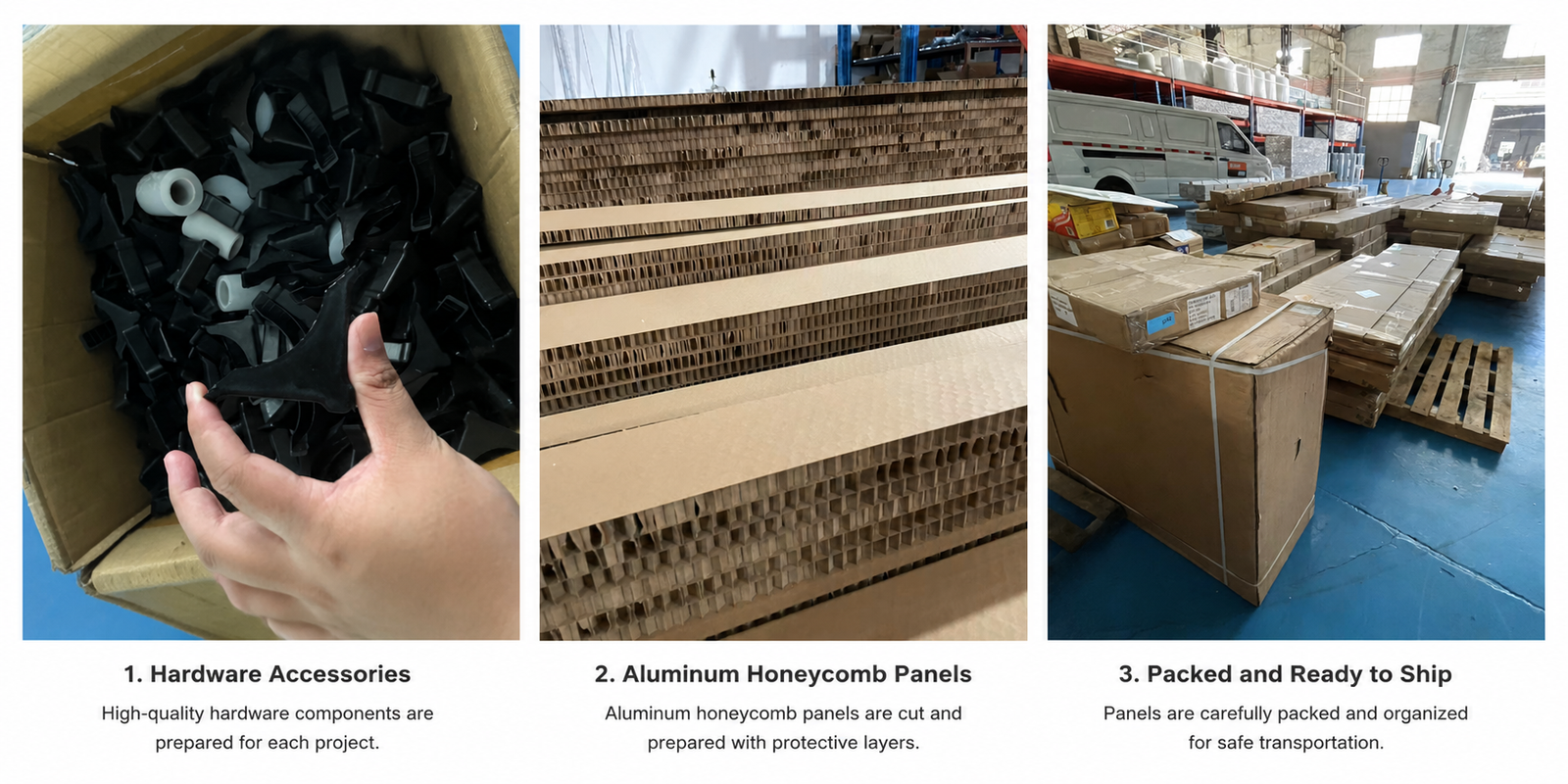
Plastic corner protectors are added to the four corners of the panels to help reduce the risk of impact damage.
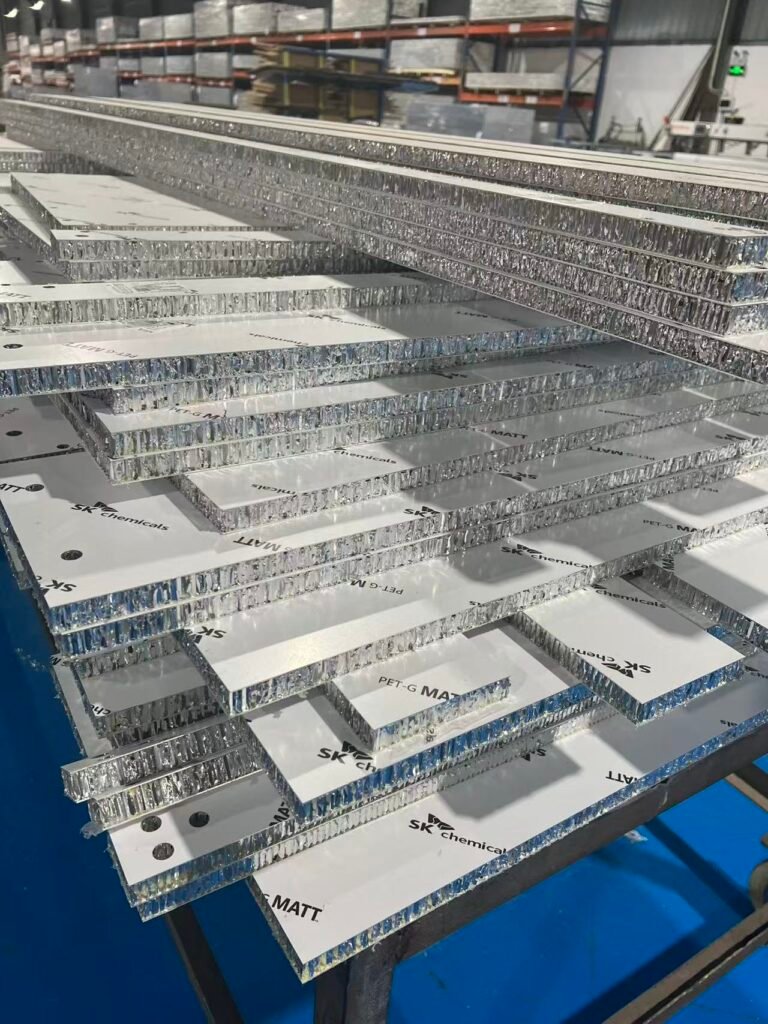
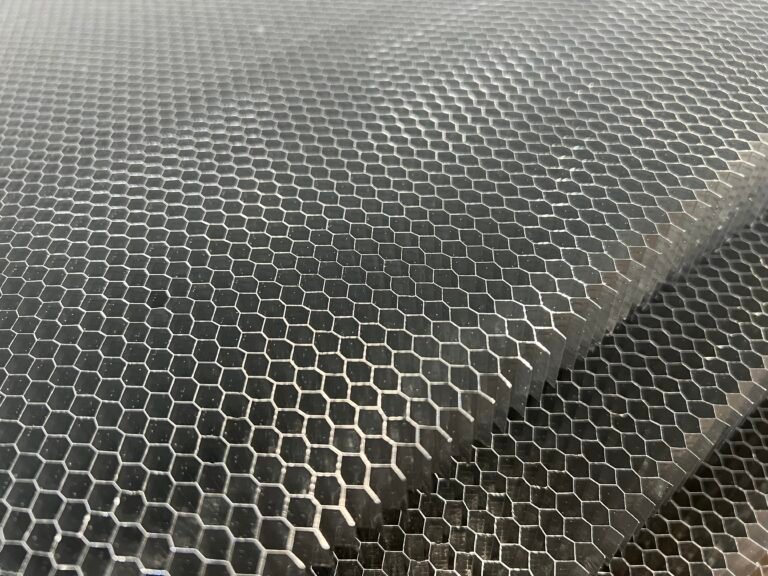
Paper honeycomb boards are placed between panels to provide additional protection and help reduce scratches, friction, and contact between components.The panels are then securely packed for transportation.
9. Shipping
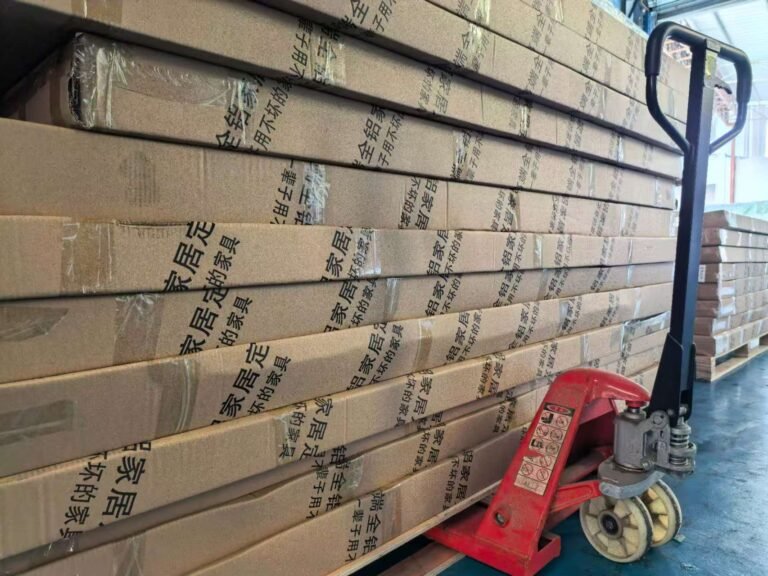
After final inspection and packing, the products are ready for shipment.We normally use cardboard boxes for transportation, while other packaging solutions can be discussed according to the product type, transportation method, and customer requirements.
For projects with specific packaging or labeling requirements, these details can be confirmed before production.
From Your Drawing to Your Finished Product
A custom cabinet project involves much more than simply cutting a panel.It requires accurate drawing review, production preparation, CNC machining, edge processing, drilling, hardware installation, trial assembly, quality inspection, and protective packaging.
Each stage has a purpose.Our goal is not only to manufacture panels according to a drawing, but to deliver components that are accurate, properly finished, checked before shipment, and protected during transportation.For overseas customers, this process can help reduce the risk of discovering production or assembly problems only after the goods arrive.
From the first drawing to the final shipment, every step is part of the finished product.
Have a Custom Cabinet Project?
Whether you are a cabinet manufacturer, furniture company, interior designer, contractor, or distributor, your project may have specific requirements for panel dimensions, machining, hardware, packaging, and delivery.
If you already have CAD drawings, send them to us for review. If you only have a preliminary design, our team can also discuss the production requirements with you.
Send us your drawings and project requirements to discuss your custom cabinet panel solution and request a quotation.