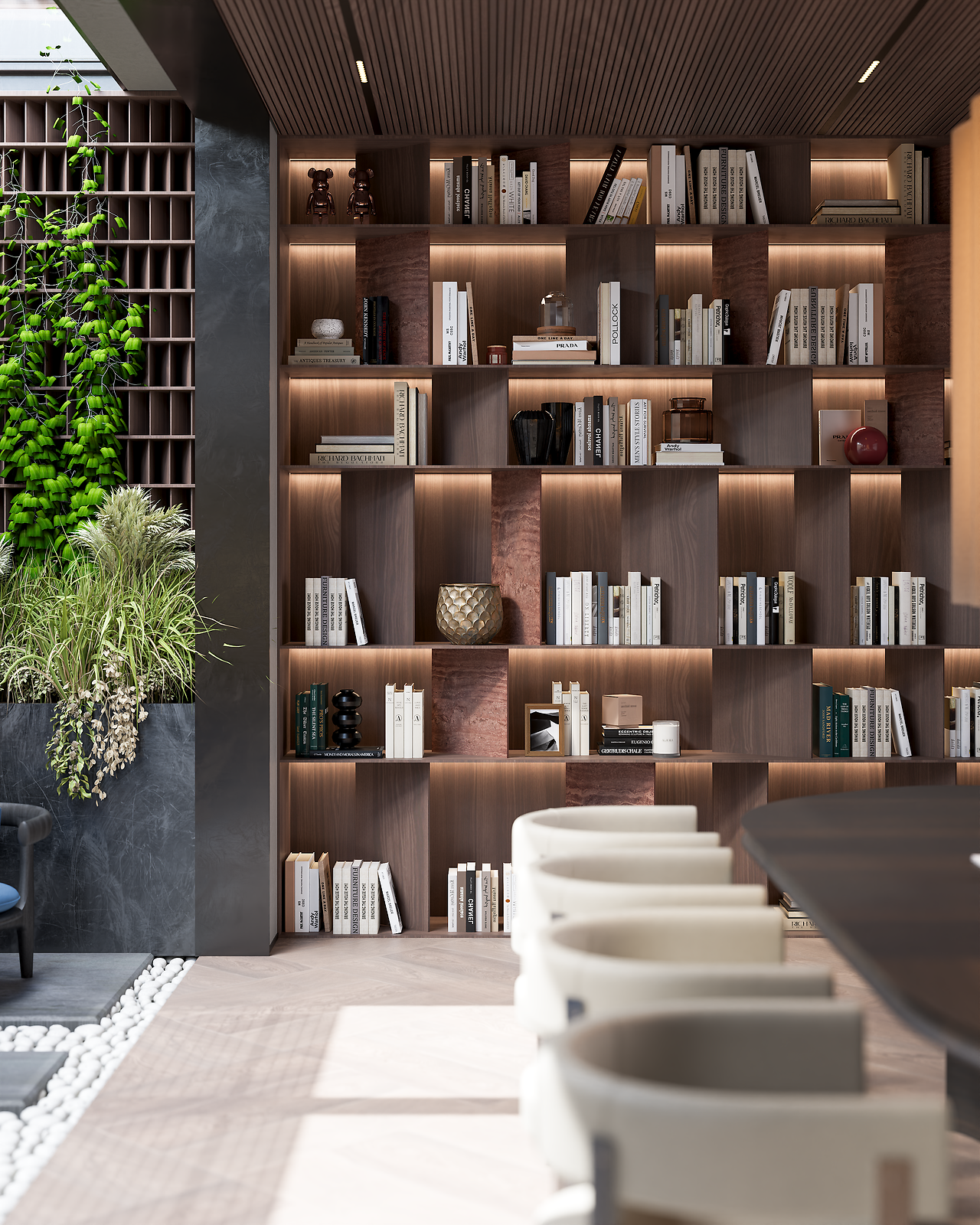
Designers naturally spend their time on the parts of a project they can see — layout, materials, color, dimensions, how it all looks together. A drawing can be flawless on screen and still be awkward to build.
Price and material are the easy questions. The harder ones come earlier: what this factory actually makes, which panel structures and edge treatments are on the table, how the hardware attaches, what the drawing has to communicate, and which details need locking down before anyone cuts a sample.
Ask those early and the path from concept to a product that can be built gets a lot shorter.
1. What this factory can actually make
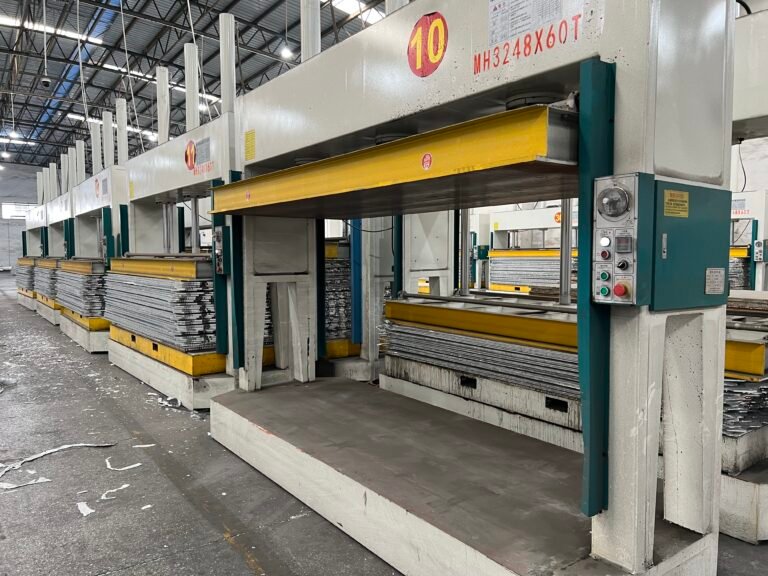
Not every aluminum furniture manufacturer works with the same materials, panel structures, machining processes, or hardware systems. Some are set up for standard products. Others know their way around custom cabinet panels and furniture components.
Before you develop a detailed design, find out what the production floor can handle — whether they work from customer drawings, whether they have CNC capability, what panel sizes they can run, whether they offer custom edge treatments, and whether they can pre-drill or prepare positions for specific hardware. Learning this at the start beats redesigning a solution around a limitation you discover three weeks in.
Know the boundaries first. Then you can use them.
2. Which panel structure fits the application
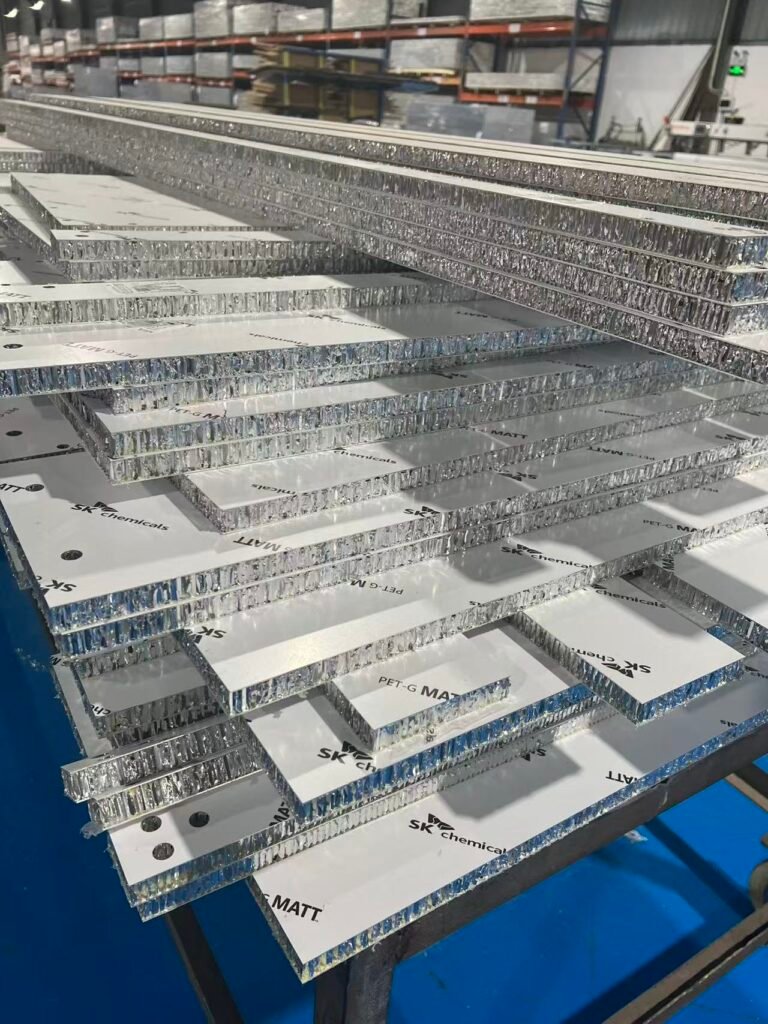
“Aluminum panel” covers a lot of ground in a furniture project.
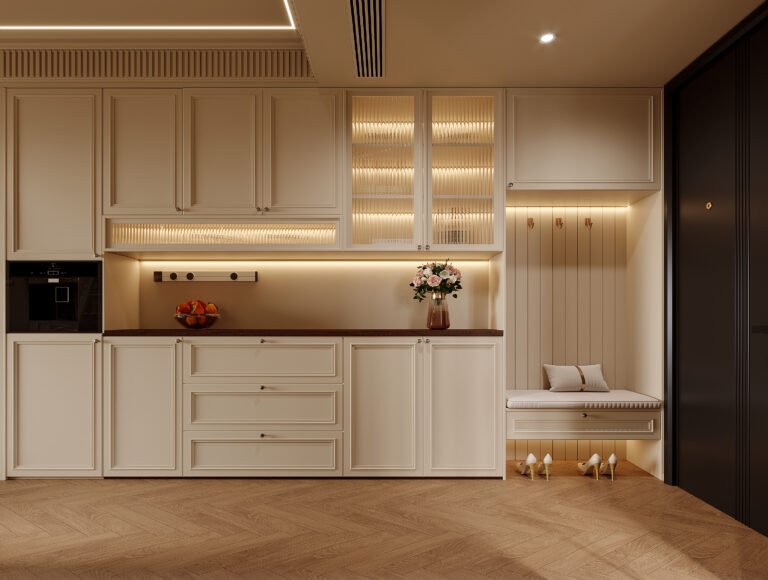
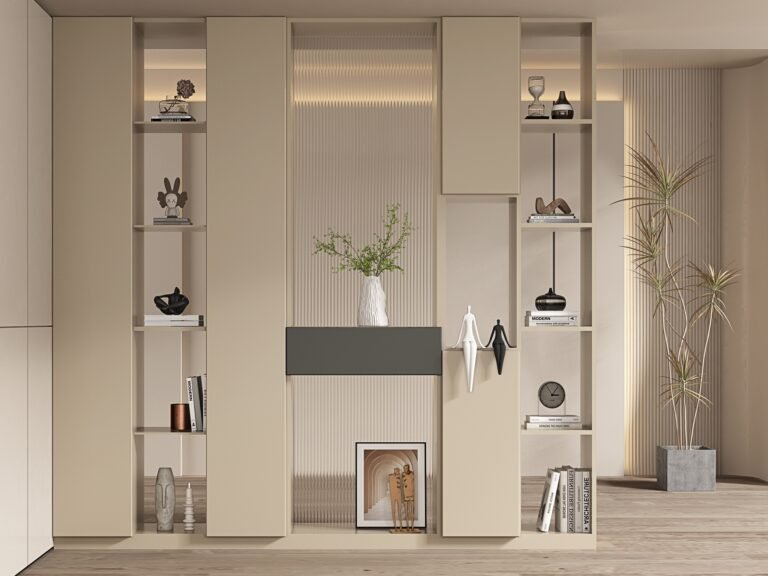
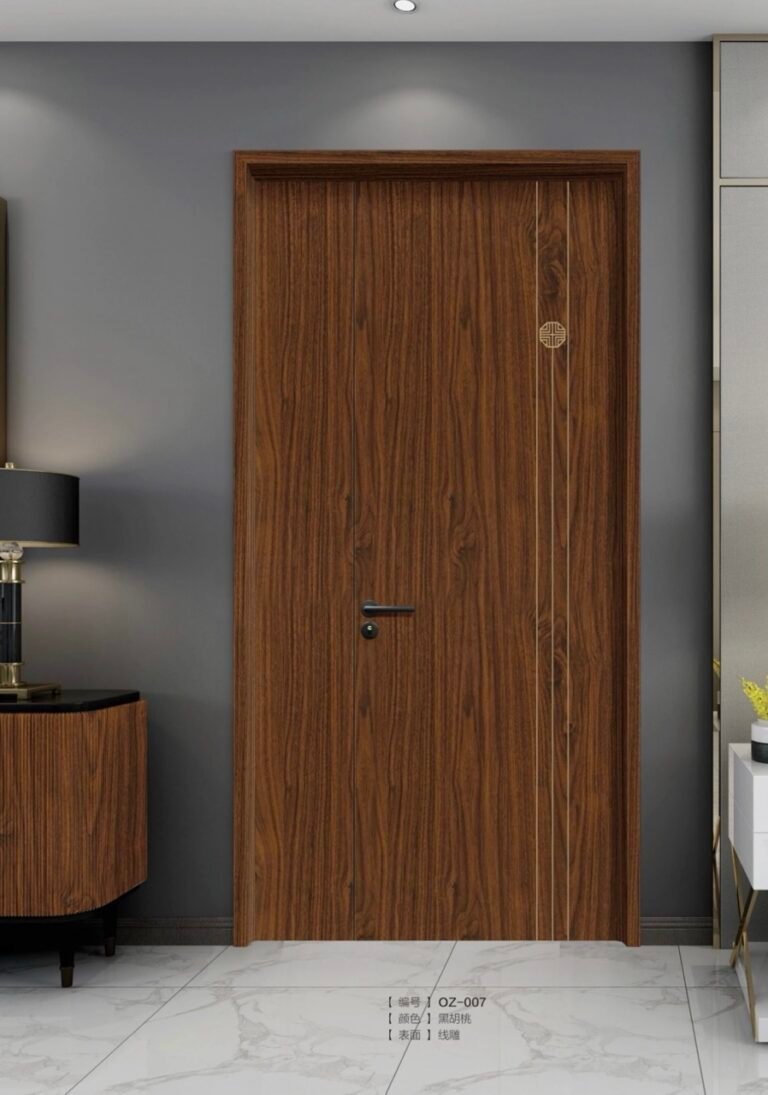
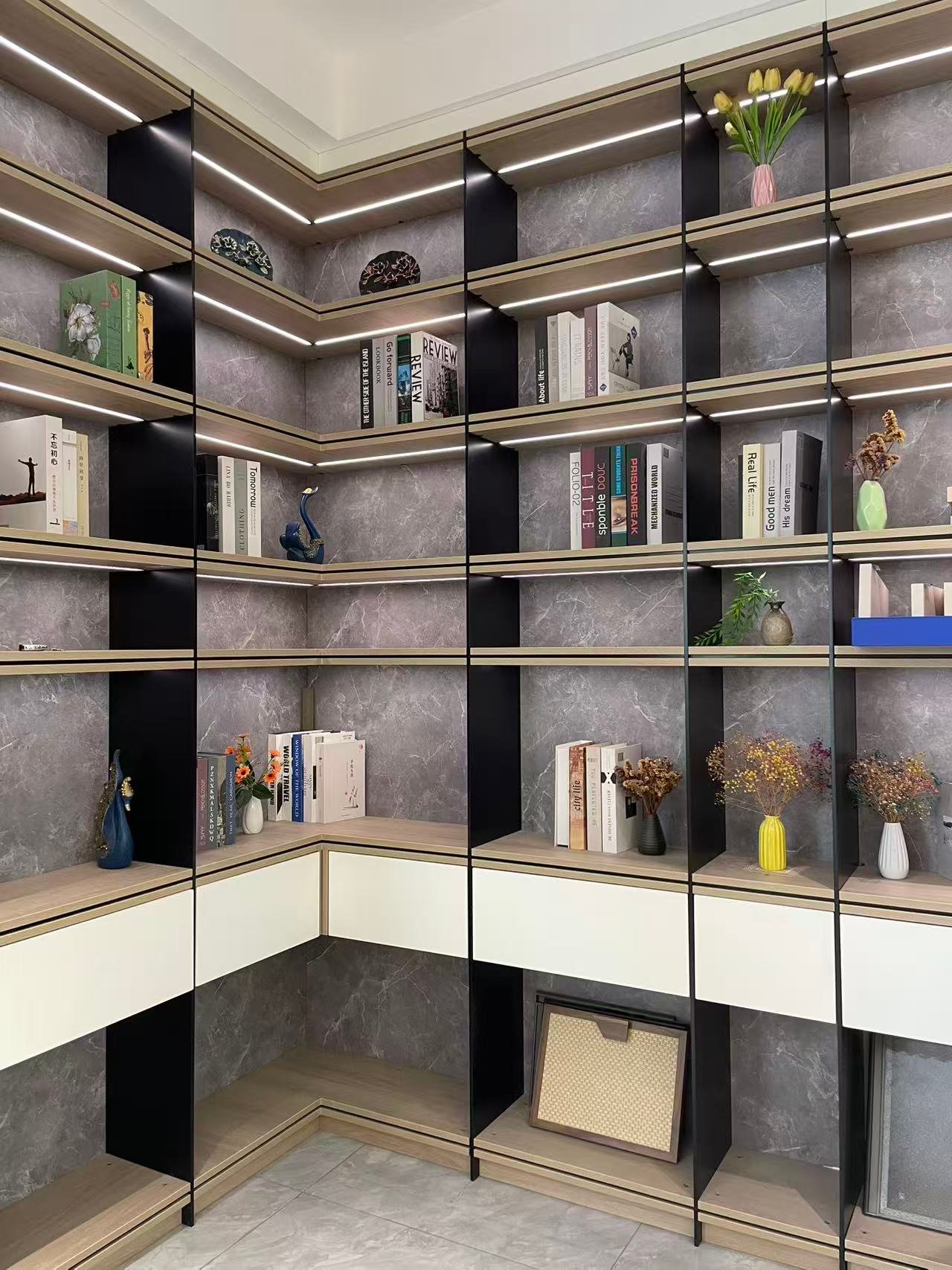
In a cabinet it might be a door, a side panel, a tall unit front, a decorative piece, or something structural. Which one you need depends on the job it has to do.
That’s why designers should describe the application rather than ask for a panel price. A large hinged door and a small decorative panel pull in different directions — dimensions, hardware, machining, edge treatment, and installation all have to line up together.
A manufacturer worth working with will want to talk about the application. One who only sends back a material specification isn’t answering the question you asked.
3. What the drawing has to communicate
A production drawing isn’t just a picture of the finished piece.
It has to carry panel dimensions, machining positions, edge details, hardware locations, assembly relationships — everything that affects how the thing gets built. Custom furniture especially. The designer knows how the cabinet should look; the factory also needs to know how it’s supposed to be made.
Before production starts, both sides should agree on which dimensions are critical, which areas get machined, where hardware lands, and which details stay visible after assembly. Ten minutes of drawing review here saves a much longer conversation later, when the panels are already cut.
4. How the hardware connects
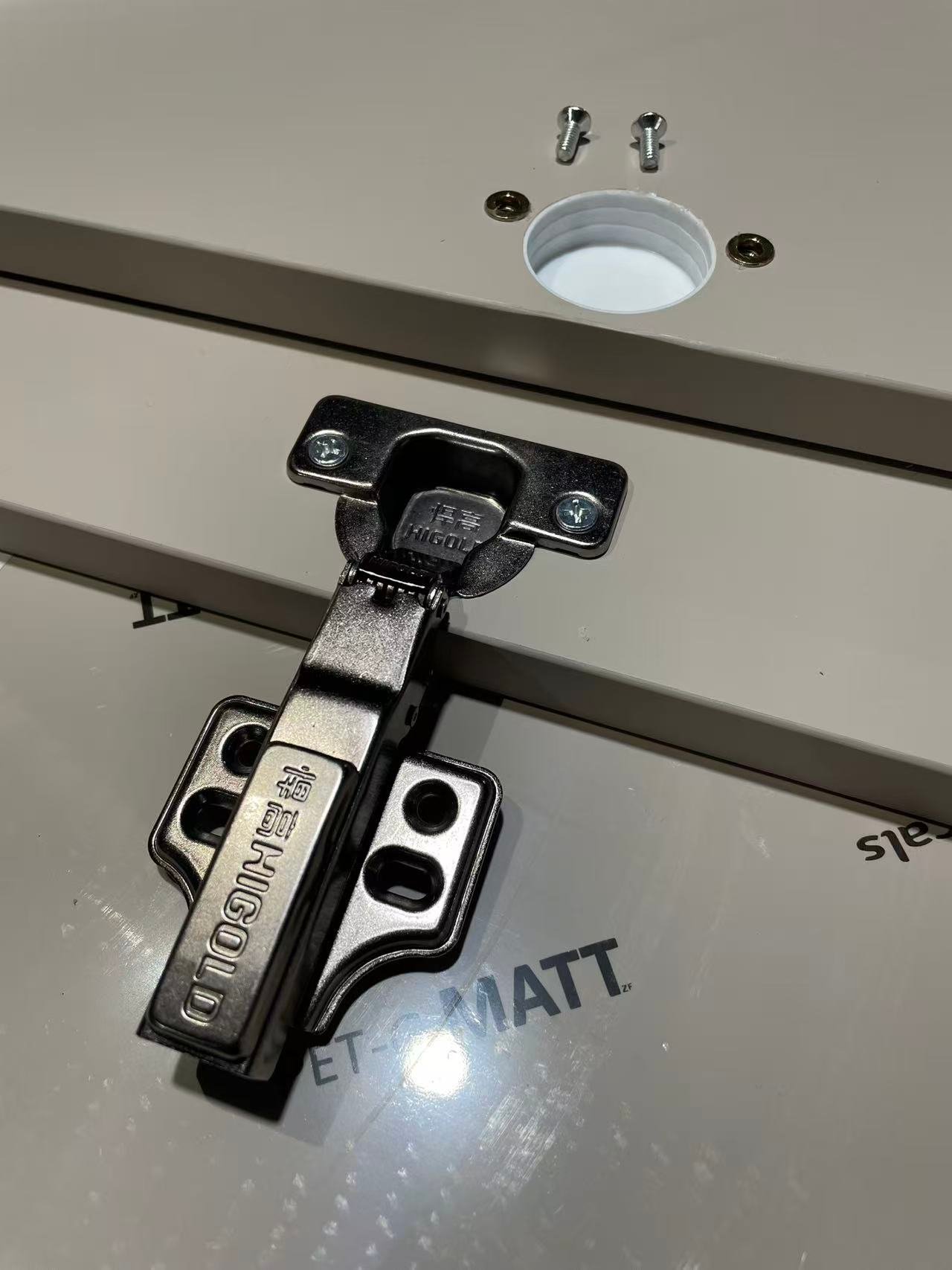
Hardware gets treated as a finishing detail. With aluminum furniture, it shapes the design from the beginning.
Doors need hinges. Handles need fixing positions. Some designs need special connectors or installation points. The question isn’t whether a given piece of hardware can be purchased — it’s whether it integrates properly with the panel structure you’ve chosen and with the cabinet as a whole.
With aluminum honeycomb cabinet doors, for instance, hinge selection and mounting positions should be settled before the sample is built. See our guide to hinge selection for aluminum honeycomb cabinet doors, which covers the drawing-to-hardware check.
The earlier hardware enters the conversation, the fewer finished panels end up getting modified.
5. How the edges will be finished
Edges slip past designers because attention goes to the large visible surfaces.
On a cabinet, though, the edge affects both appearance and manufacturing. Ask what edge treatments are available, how the edge will look after machining, and whether the chosen solution suits the application — more so when the edge stays visible.
The edge also has to survive the trip. CNC machining, edge sealing, handling, transport, and installation all leave their mark. Treat the edge as part of the design from the start rather than a problem to solve once the main panel is settled.
6. Whether to sample before finalizing
For custom aluminum furniture, a sample usually tells you more than a drawing does.
It lets the designer and the factory see how the design behaves in reality — dimensions can be checked, hardware test-fitted, edge details inspected, assembly relationships verified. Small problems that hide in a drawing show up immediately on a physical part.
That doesn’t mean a full-size sample of every component. Pick the parts with the highest production or installation risk and test those first. The sampling stage gets far more efficient. It also helps to understand how a panel moves from CAD design to delivery.
7. What happens after the factory
Designers tend to think about the furniture up to the point it’s manufactured. The project doesn’t stop there.
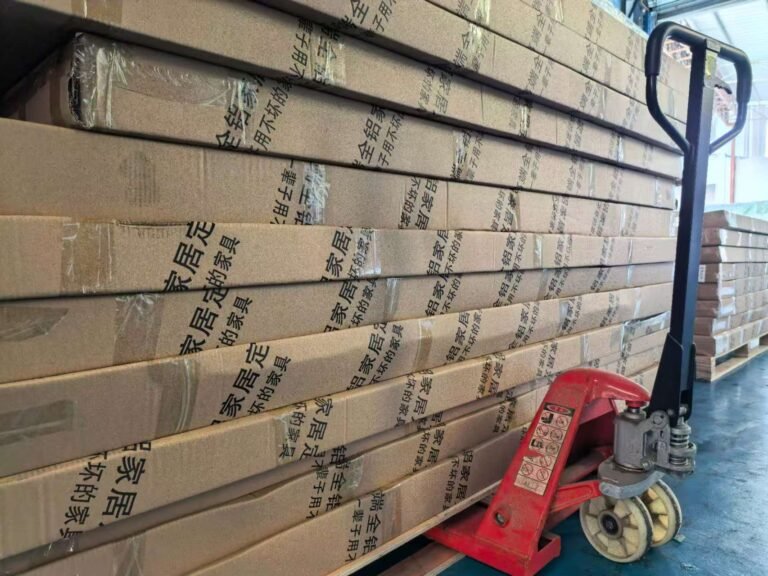
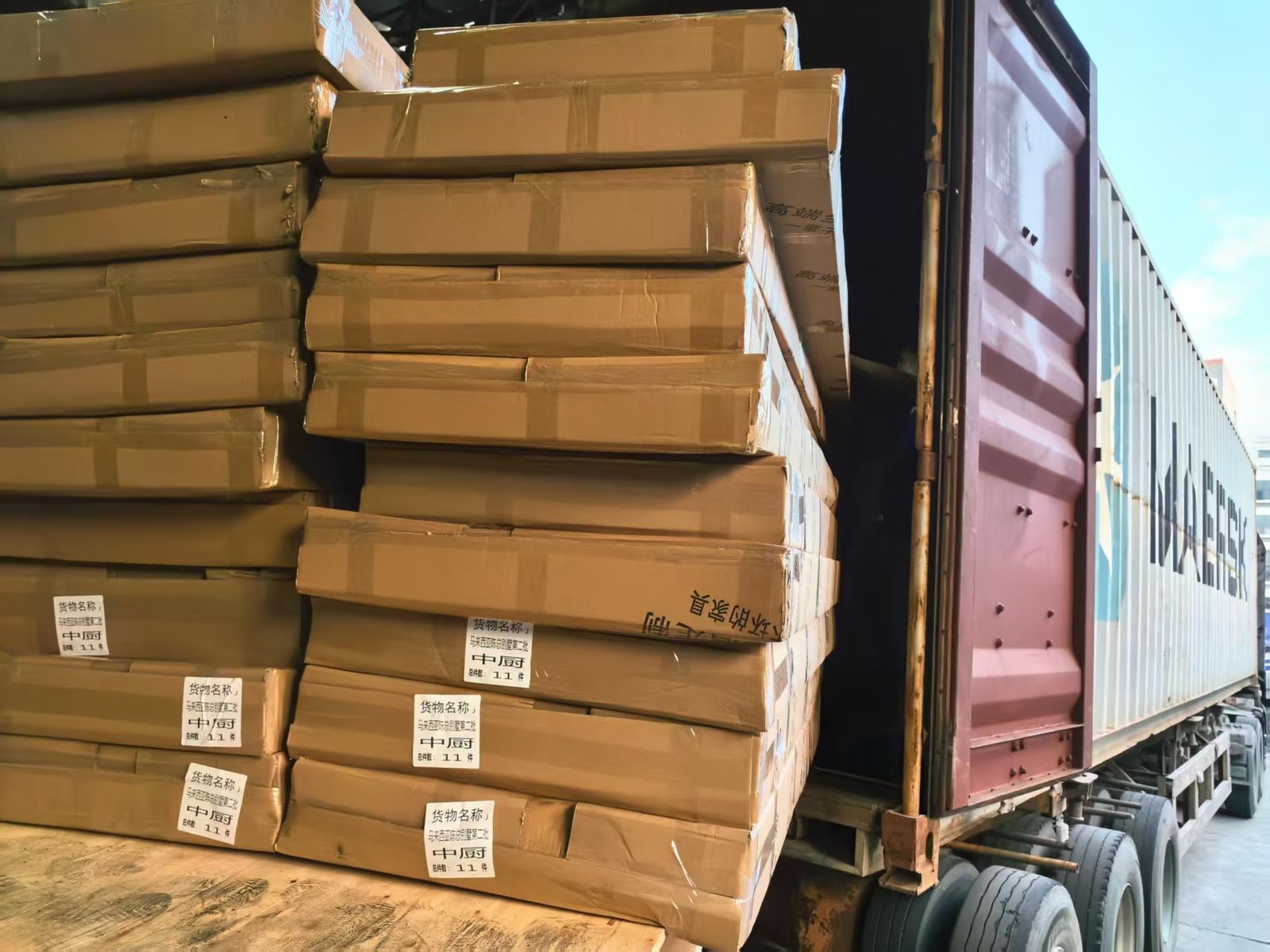
Components still have to be packed, transported, delivered, unpacked, and installed. For large cabinet panels and custom furniture, transport and installation can shape the final result as much as production does.
So it’s worth settling packing requirements and installation conditions before production starts. If the furniture gets assembled on site, the design may need to account for how individual components are handled and connected.
Being manufacturable is the entry bar. Being manufacturable, shippable, installable, and usable as intended is the job.
Conclusion
A successful aluminum furniture project begins well before the first panel is cut.
The questions that earn their keep are the ones that link design to manufacturing: what the factory can produce, which panel structure fits, what the drawing must show, how hardware connects, how edges get finished, which parts to sample, and how the finished furniture will be installed. None of that limits creativity. It’s how a good idea survives contact with a production line.
Starting an aluminum furniture project?
Send us your drawings, dimensions, reference images, or project requirements. We can review the design from a manufacturing perspective and help identify the details that should be confirmed before sampling and production.