Choosing an aluminum honeycomb panel for cabinet work comes down to a short list of decisions, and panel thickness is not one of them. In aluminum cabinetry the panel is specified at 18 mm, and that number rarely moves. What moves is the core size, the skin thickness, the way the edges are closed, how many hinges a door carries, and the surface the finished cabinet has to survive.
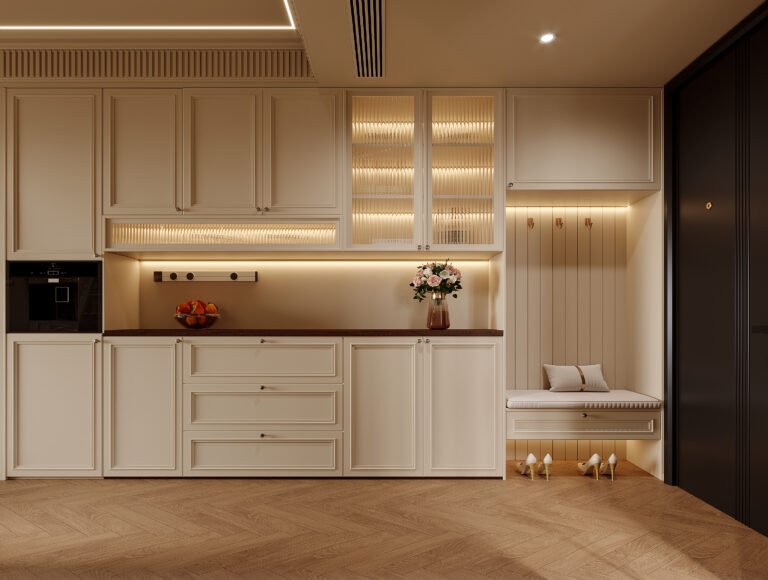
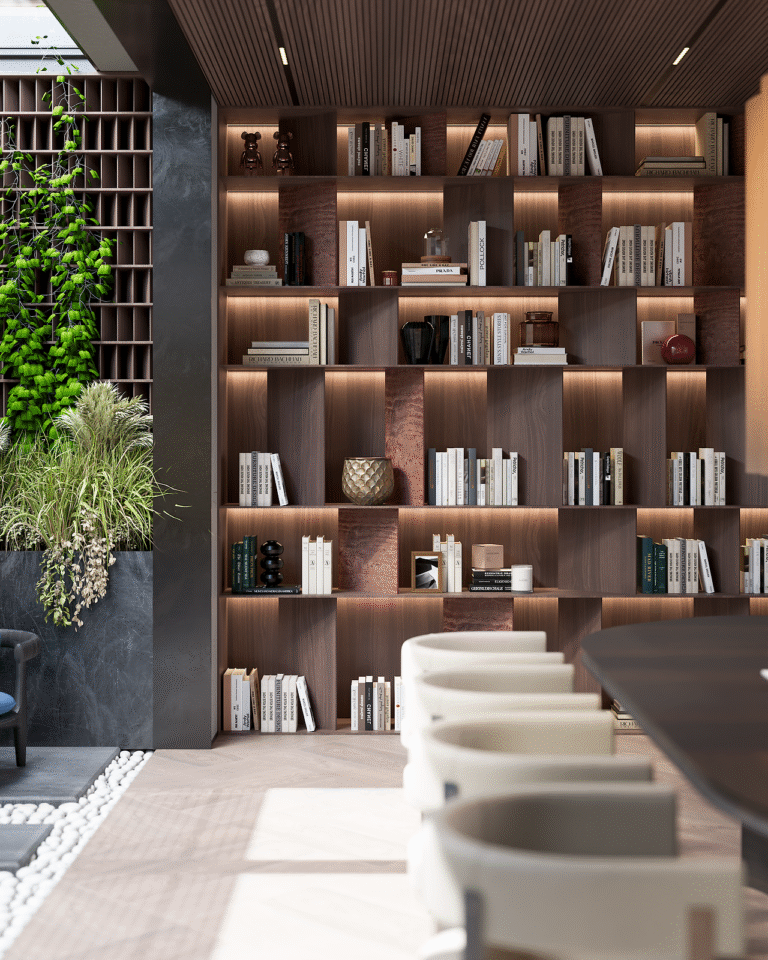
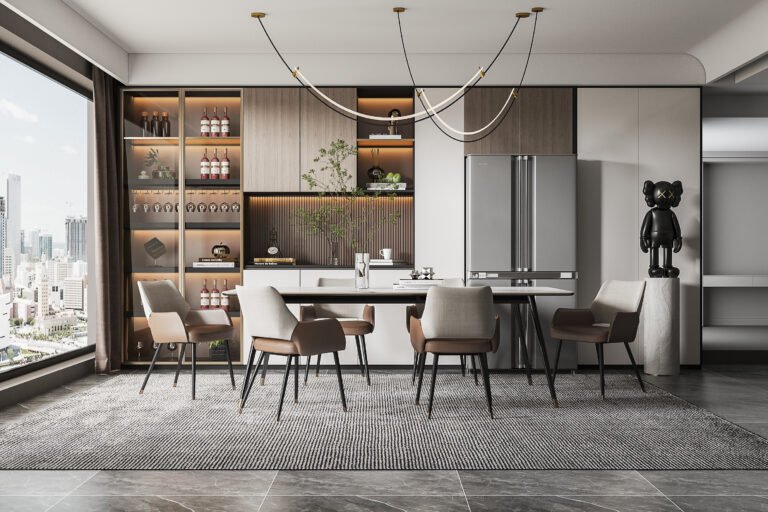
Cabinet doors, side panels, tall units and custom furniture all use the same panel. They do not use it the same way. A door swings on hardware that is fixed into the panel. A tall side panel carries whatever sits above it. A decorative front mostly has to hold its appearance. For that reason the panel belongs to the complete cabinet rather than to a material list on its own.
The way we work is to start at the finished application and move backward through machining, edge treatment, hardware installation, packing, transport and site installation. Each of those stages has one or two panel variables attached to it. The sections below are those variables, and the values they take.
1. Start With What the Panel Has to Do
The first question is about the job, not the material. A cabinet door is a moving part that carries hinges and handles. A side panel holds the cabinet square and mostly stays still. A tall door is a different problem from a drawer front. A decorative panel may only have to keep its finish.
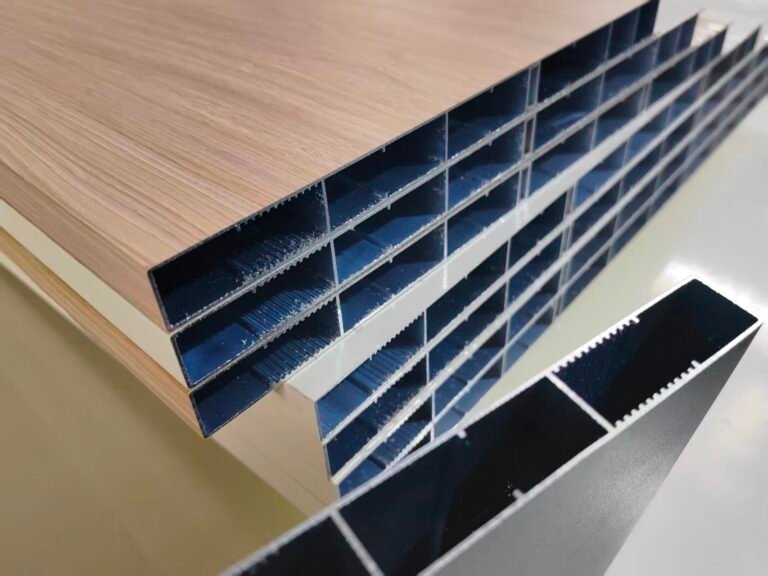
Because the thickness is already settled at 18 mm, the decisions sit in the parts of the panel a photograph does not show: the core size, the skin, the edge, and where the hardware will sit. A panel that suits a drawer front can be the wrong panel for a door that runs most of the way to the ceiling.
Define where the panel will be used and how it behaves inside the cabinet before anything is specified. The application sets the panel.
2. Work Backward From the Finished Cabinet
A common mistake is choosing a panel from its appearance, or from a specification sheet read on its own.
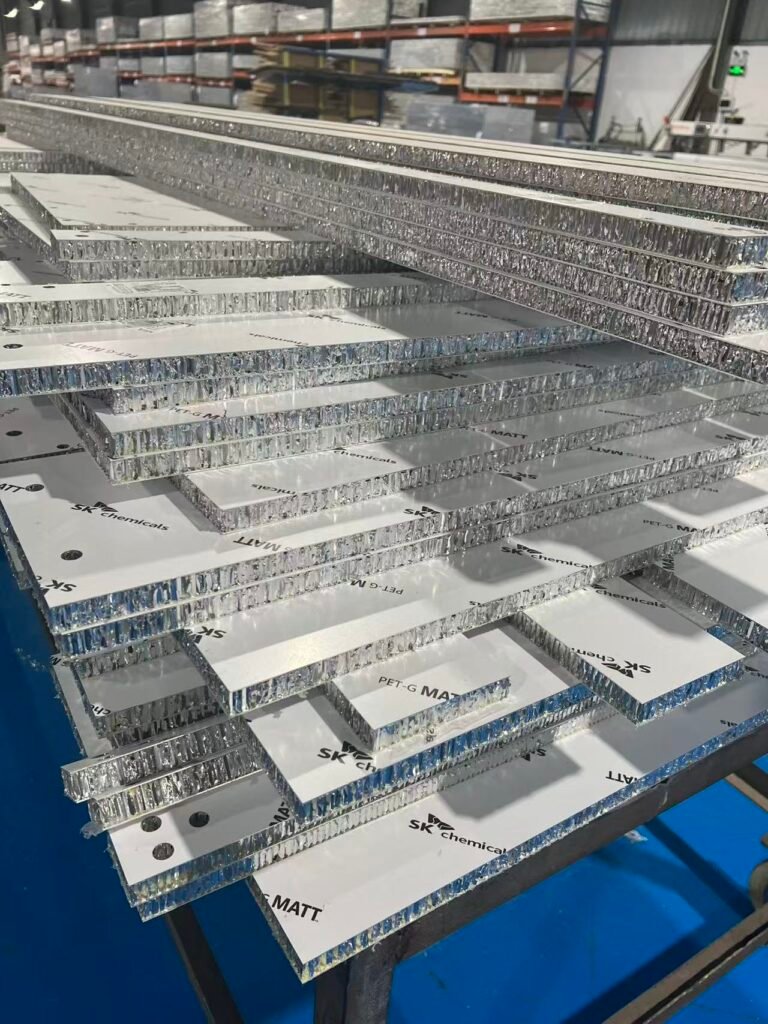
Before it becomes a cabinet, the panel passes through CNC cutting, drilling, edge treatment, hardware installation, assembly, inspection, packing and transport. Every one of those stages has a variable attached to it. The core size decides how the panel machines and how much cell wall the adhesive has to work with. The skin thickness decides what a hinge screw finds when it goes in. The edge treatment decides whether a cut edge stays closed after handling. Group the stages together and the variables line up in order.
That is why selection has to be connected to the manufacturing route from the start. How we manufacture custom cabinet panels covers the full sequence from CAD design to delivery.
A good panel is not only one that can be produced. It is one that moves through the whole process without extra workarounds.
3. Door Height Sets the Hinge Count
Size changes the decision most visibly on doors, and the number that matters is height. A small door and a full-height door can use the same panel, but they do not hang the same way.
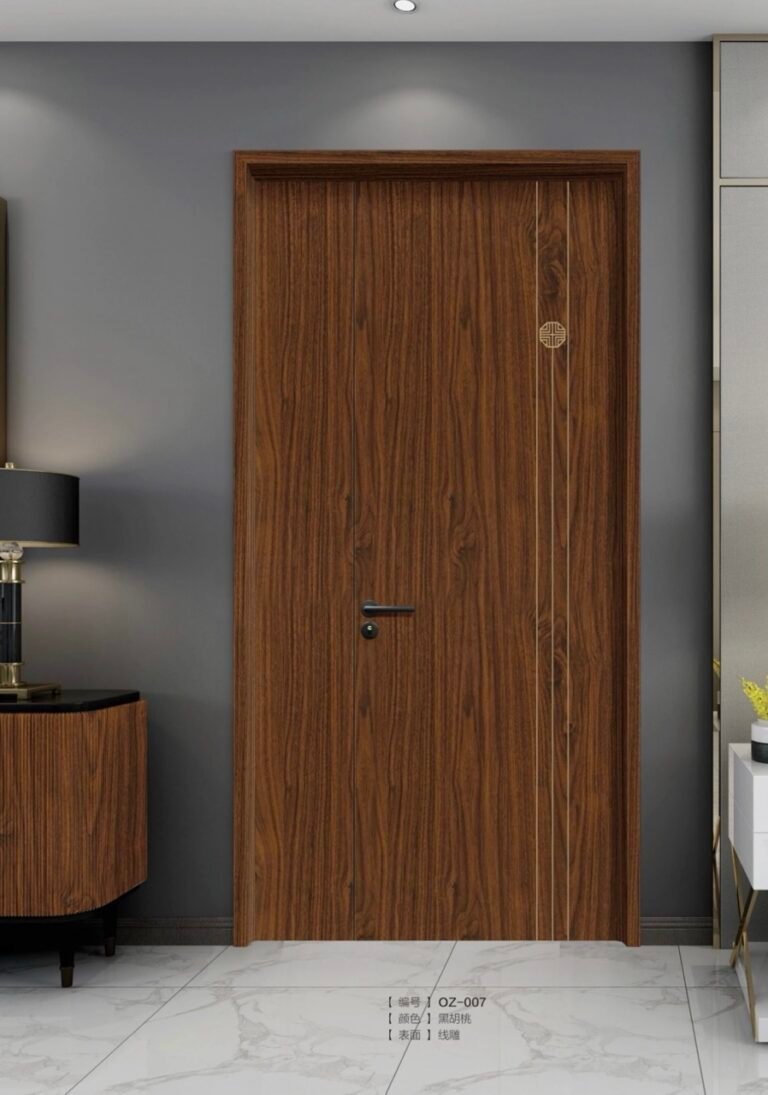
For aluminum honeycomb cabinet doors, we count hinges against height. Two hinges carry a door up to 900 mm. Between 900 mm and 2000 mm the door takes three. From 2000 mm to 2400 mm it takes four, and from 2400 mm up it takes five. The count is settled from the door drawing before sampling, not on the line during assembly, and the drawing and the hinge layout are checked together at that point. Can aluminum honeycomb cabinet doors use standard hinges? walks through what that check covers.
The reason is leverage. The taller the door, the further its weight sits from the hinge line, and the more each fixing point has to carry. Spreading that load across more hinges keeps the door on its adjustment and keeps the screws seated in the panel. Under-supported, a door sags furthest from the hinge line, which is the part of the door the customer notices first.
Large panels add a second set of constraints that have nothing to do with strength. A 2400 mm panel is harder to lift, pack, ship and install than a 900 mm one, and each of those steps is a chance to damage an edge.
Doors are not the only panels that carry hardware. Side panels and shelves take fixing points and drilled positions as well, and those positions are easier to place once the panel structure is settled than after the first pieces have been machined.
4. Core Grade and Skin Thickness
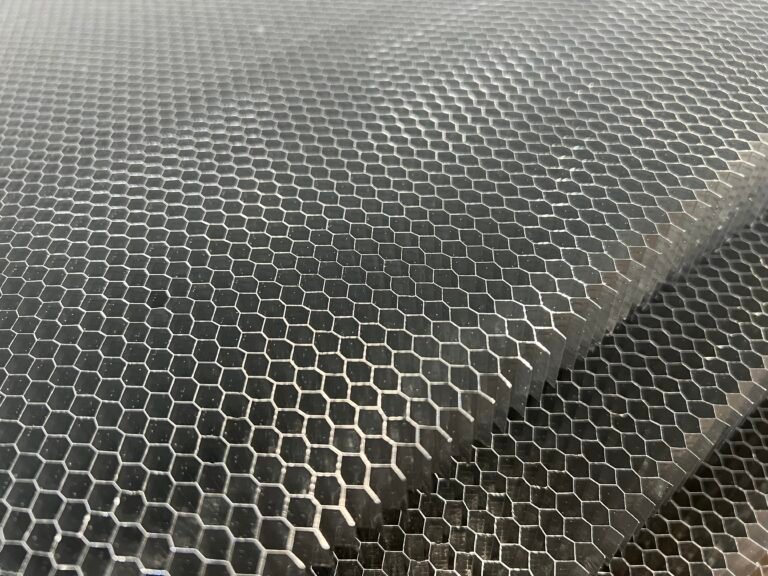
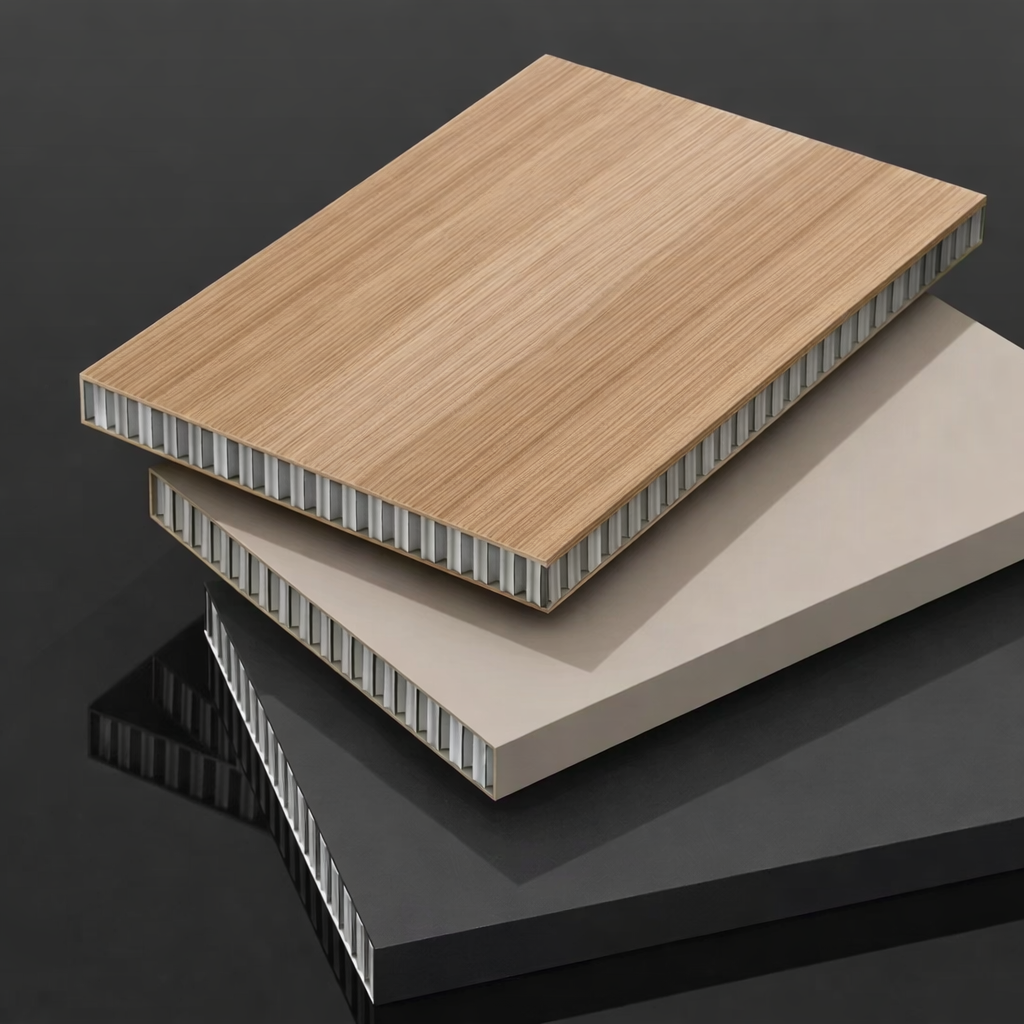
Cores come in two cell sizes, 2 × 2 mm and 3 × 3 mm. We recommend the 2 × 2 mm core for cabinet work. The denser core gives the adhesive more cell wall to bond to, which makes for a stronger bond across the panel, and the finished board resists compression better. On a door that carries hinges, or a panel that will take inserts, that margin matters.
Skin thicknesses run from 0.65 mm through 0.75, 0.8, 0.85 and 1.0 mm. The figure we quote is measured over the finished surface treatment. That distinction matters when offers are compared, because a bare aluminum thickness and a finished one are not the same panel and the difference will not show up on the quotation.
Both core sizes and the full range of skin thicknesses are listed on the aluminum honeycomb panel range.
5. Edge Treatment Follows the Shape of the Part
A cut honeycomb edge shows the construction of the panel, and every cut edge on a cabinet has to be closed. Two types of edge treatment cover the work. Standard edge treatment suits large panels with regular shapes. Shaped edge treatment suits curved and irregular parts, where a straight edge cannot follow the profile.
Which one applies is a question for the drawing, not for the panel list. A curved front and a rectangular side panel from the same order will not take the same edge.
6. What the Panel Meets After It Leaves the Factory
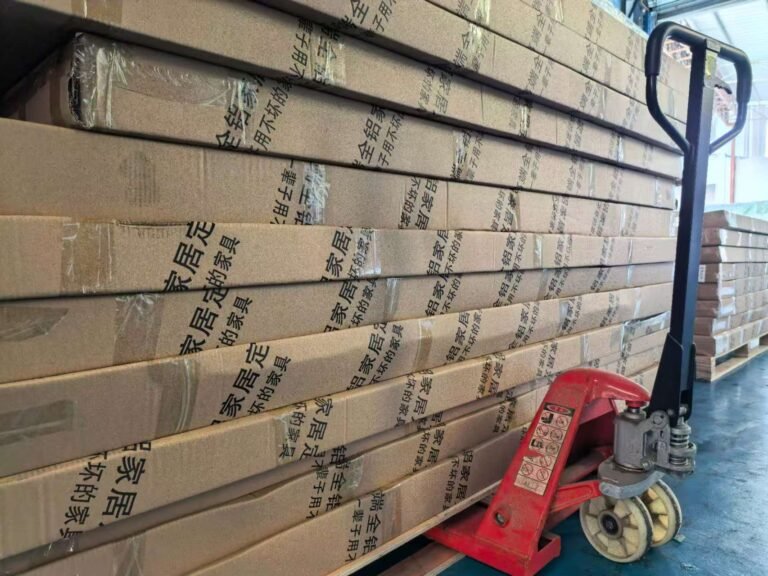
The factory is not the final destination of a cabinet panel. After production it is packed, shipped, unloaded, moved around a site and installed by different people under different conditions.
For buyers in humid markets the decision usually starts earlier than the drawing. When customers move from MDF or plywood to an aluminum honeycomb panel, the reasons they give repeat: it does not swell in humid air, insects leave it alone, it lasts longer, and it holds its shape as the seasons change. That is the practical case for the material, and it belongs on the drawing. A cabinet specified for a wet or humid room is not the same specification as one for an air-conditioned office.
Edge protection belongs in the same conversation. A panel edge can be affected during machining, transport, installation or daily use, and not every edge failure has the same cause. A damaged edge does not by itself mean the material was the wrong choice.
7. Surface Finish: Match It to Where the Cabinet Goes
The finish has to match the environment, not only the design.
Interior cabinet work uses PET, PVC and anodized finishes. For outdoor work the choice splits by appearance. Solid colors go to PVDF, the highest weathering class applied to architectural aluminum and specified against the AAMA 2605 standard. Wood grain goes to a vacuum transfer finish. An interior film moved outdoors will not hold its color and gloss, and a PVDF finish used indoors costs more than the application needs.
Conclusion
Before a project goes to sampling, four answers should be on the drawing. The panel is at 18 mm and the core size is named, with the 2 × 2 mm core the usual choice for cabinet work. Door heights are listed against the hinge count each one carries, so a 2000 mm door is not quoted with the hardware of a 900 mm door. The edge is chosen for the shape of each part, because a curved front and a flat side panel do not take the same treatment. The surface is chosen for the environment the cabinet will live in.
When those four are settled, the panel can be priced and sampled. When one of them is still open, it is cheaper to close it before the drawing reaches the line.
CTA
If you are developing a cabinet, cabinet door, or custom aluminum furniture project and are not sure which panel structure suits it, send us your drawing, panel dimensions, the intended application and the hardware you plan to use. We will review it from a manufacturing perspective and tell you what to confirm before sampling.