Quick Answer
Many furniture manufaturer run into costly mistakes when ordering honeycomb panels for all‑aluminum furniture. Common issues include improper panel thickness, ignoring aluminum skin gauge, poor honeycomb‑core selection and low‑quality edge sealing. These errors cause cabinet deformation and short service life, especially for humid‑climate projects in Southeast Asia.
Why This Application Matters ?
Honeycomb panels are widely used for custom all‑aluminum cabinets and wardrobes. Most specification problems only appear after production or installation. Defective panels lead to product complaints, returns and extra costs. So furniture manufaturer must understand these typical pitfalls before placing bulk orders.
Project or Application Context ?
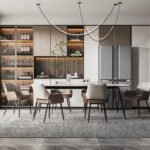
These panels are used for residential custom cabinets, wardrobes and balcony storage units. Many target projects are located in hot and humid Southeast Asia. Panels need to support furniture hardware, stay flat and resist daily moisture.
Why Aluminum Honeycomb Panels Fit This Scenario?
‑ Lightweight structure
Easy to cut, process and install for furniture production
‑ High flatness
Keeps cabinet and wardrobe panel surfaces flat long‑term
‑ Customizable finish
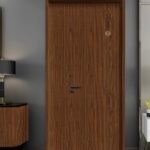
Wood‑grain surfaces deliver popular home‑style looks
Key Considerations
‑ Panel thickness: 10 mm offers best cost‑performance for low‑load balcony cabinets. General cabinet bodies use 12‑18 mm, while cabinet doors take 10‑14 mm.
‑ Aluminum skin thickness: 0.7 mm works well for low‑load balcony cabinets. Regular cabinet and wardrobe panels adopt 0.7‑1.0 mm. Skin thickness directly decides cabinet durability.
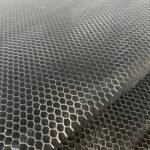
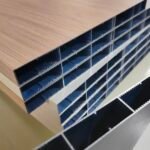
‑ Honeycomb core: 2×2 cell size is the preferred choice for household furniture. 3×3 is the secondary option. Smaller cell sizes bring denser and stabler panels.
‑ Edge sealing is critical to block moisture for humid‑area projects. Panels must have enough stiffness to hold hinges and handles.
What Buyers Should Confirm ?
‑ Suitable total panel thickness for cabinets or doors
‑ Required aluminum skin thickness
‑ Honeycomb core cell size (2×2 or 3×3)
‑ Anti‑moisture edge‑sealing standard
‑ Hardware load‑bearing performance
‑ Humidity level of your target market
Common Risks or Misunderstandings
‑ Over‑specifying panel thickness
Buying overly thick panels creates unnecessary cost. 10‑18 mm covers most household‑furniture scenarios.
‑ Only checking total thickness while ignoring aluminum skin thickness
Thin skin results in weak, easy‑to‑deform cabinets.
‑ Wrong honeycomb core selection
Large‑cell cores such as 4×4 reduce panel stability for furniture use.
‑ Poor edge sealing
Moisture enters honeycomb core and damages panels in humid environments.
‑ Insufficient panel stiffness
It causes loose hinges and warped cabinet doors.
Conclusion
Aluminum honeycomb panels are a reliable solution for all‑aluminum custom furniture. Do not judge panels only by price or total thickness. Match thickness, aluminum skin, honeycomb cell size and edge‑sealing quality to your real‑world project conditions.
Next Step
If you plan to source honeycomb panels for all‑aluminum furniture, visit our Contact Page. Share your requirements for thickness, aluminum skin and core size. We can provide full technical specifications and free samples for your testing.Contact Page — Discuss Your Requirements