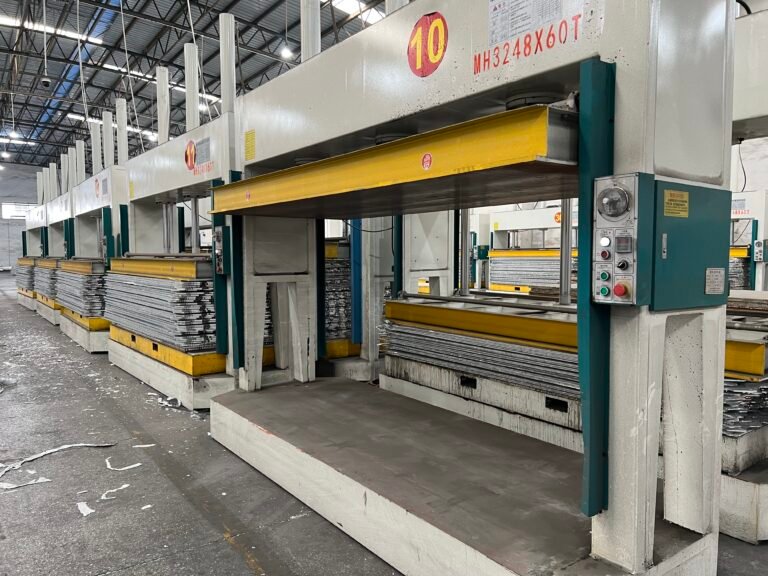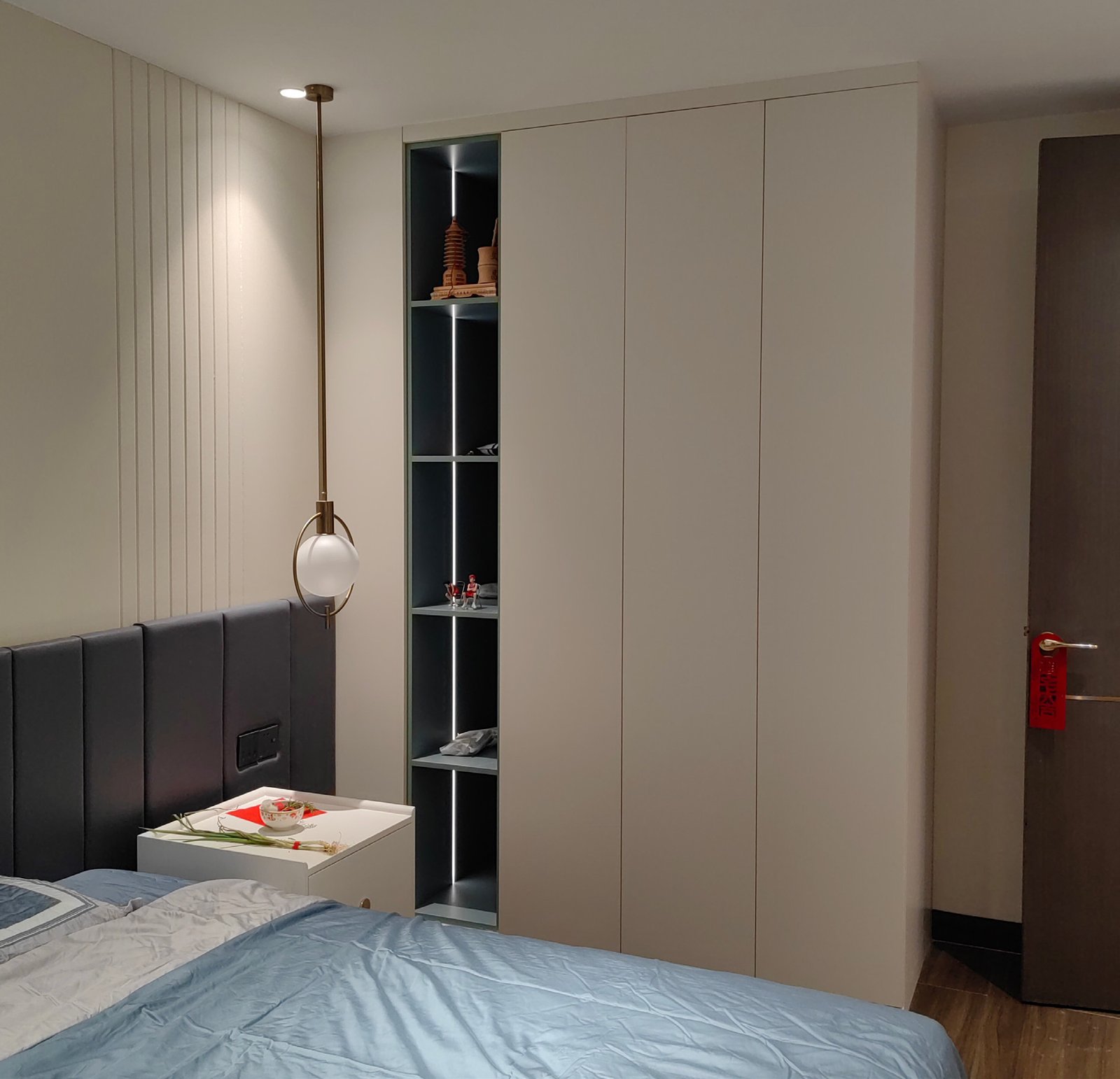
After a few years in the mid-to-high-end custom furniture business, many factory owners face a similar challenge: board materials are becoming harder to differentiate, environmental certifications are now expected, and price competition keeps getting tougher. Changing the finish, hardware, or door style can help, but it doesn’t always give a factory a real advantage over its competitors.
Over the past few years, we’ve seen growing interest in all-aluminum custom furniture. The market is still developing, and while more customers are asking about it, not every furniture factory has the experience or production setup to make the transition easily.
Why Are More Manufacturers Looking at Aluminum?
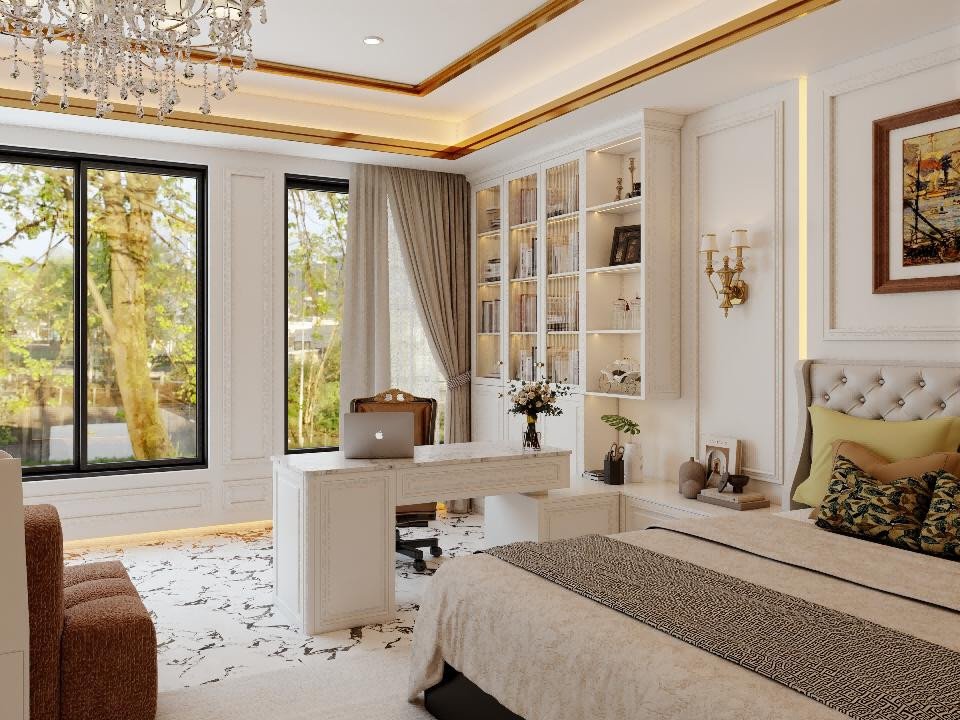
In Southeast Asia and China’s coastal regions, moisture can be a recurring problem for wooden cabinetry. Vanity units may develop lifted edge banding, balcony cabinets can be affected by mold, and kitchen cabinets may swell after prolonged exposure to moisture and steam. These issues can lead to after-sales complaints and additional repair costs.
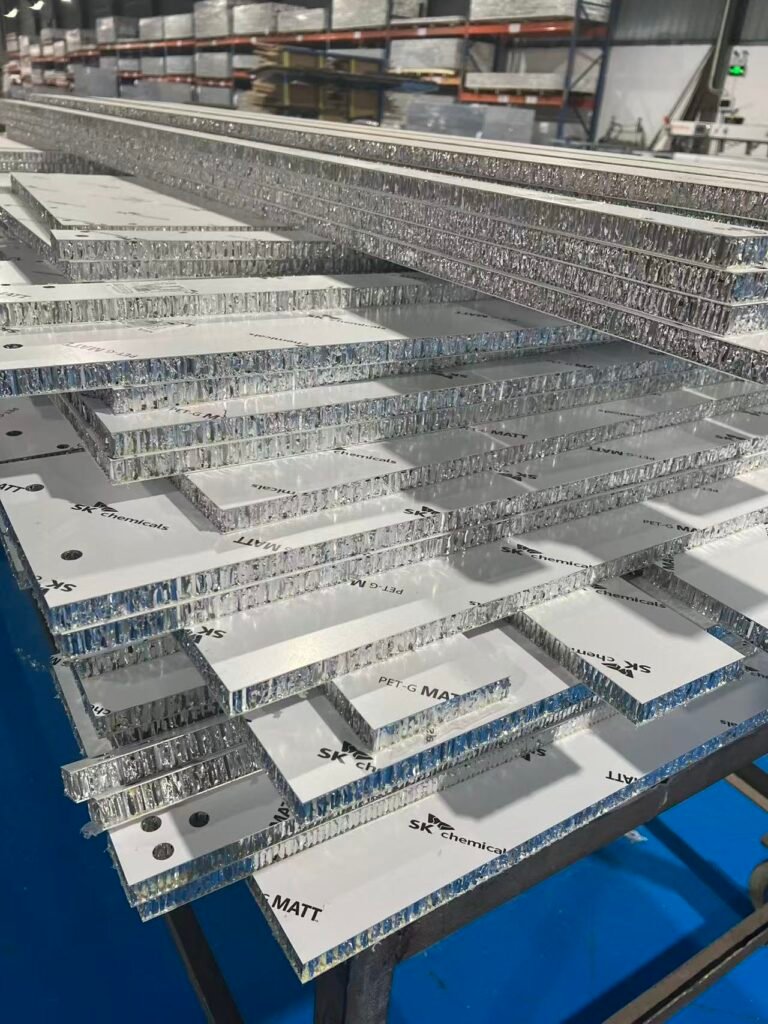
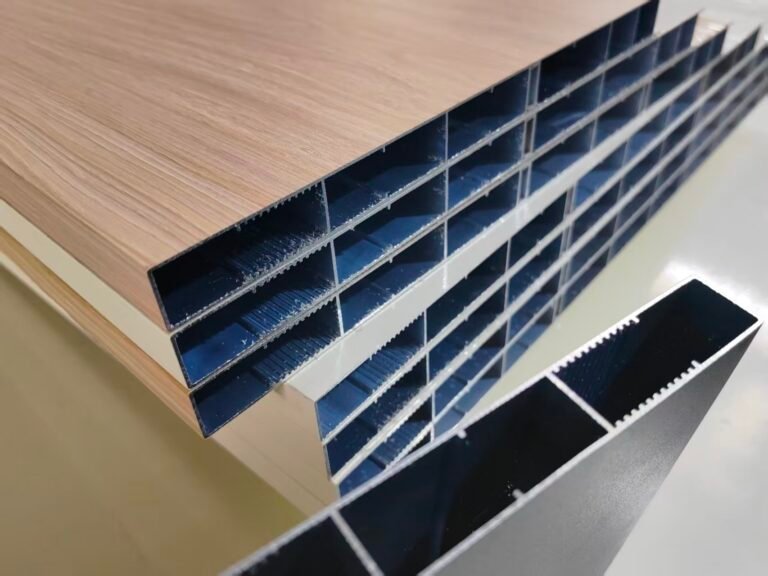
All-aluminum cabinet panels offer another option. Aluminum does not absorb water in the same way as wood-based panels and is not susceptible to termite damage. For applications where moisture is a concern, this can help reduce certain material-related problems. In our conversations with customers, we’ve also noticed more people asking about all-aluminum options, particularly for projects where durability and moisture resistance matter.
What Makes the Transition Difficult?
For a factory used to working with wood-based panels, moving into all-aluminum furniture involves more than changing the material. Three areas often need attention.
First, cutting, edge finishing, and panel joining may require different tools, equipment settings, and processing methods. Second, pricing can be difficult when a factory has little experience with the material and is unsure how to account for processing costs. Third, without completed projects to refer to, it can be harder to assess customer demand and feel confident taking on the first order.
Working through these issues takes time, especially when a factory is trying to learn everything through trial and error.
Support Beyond Material Supply
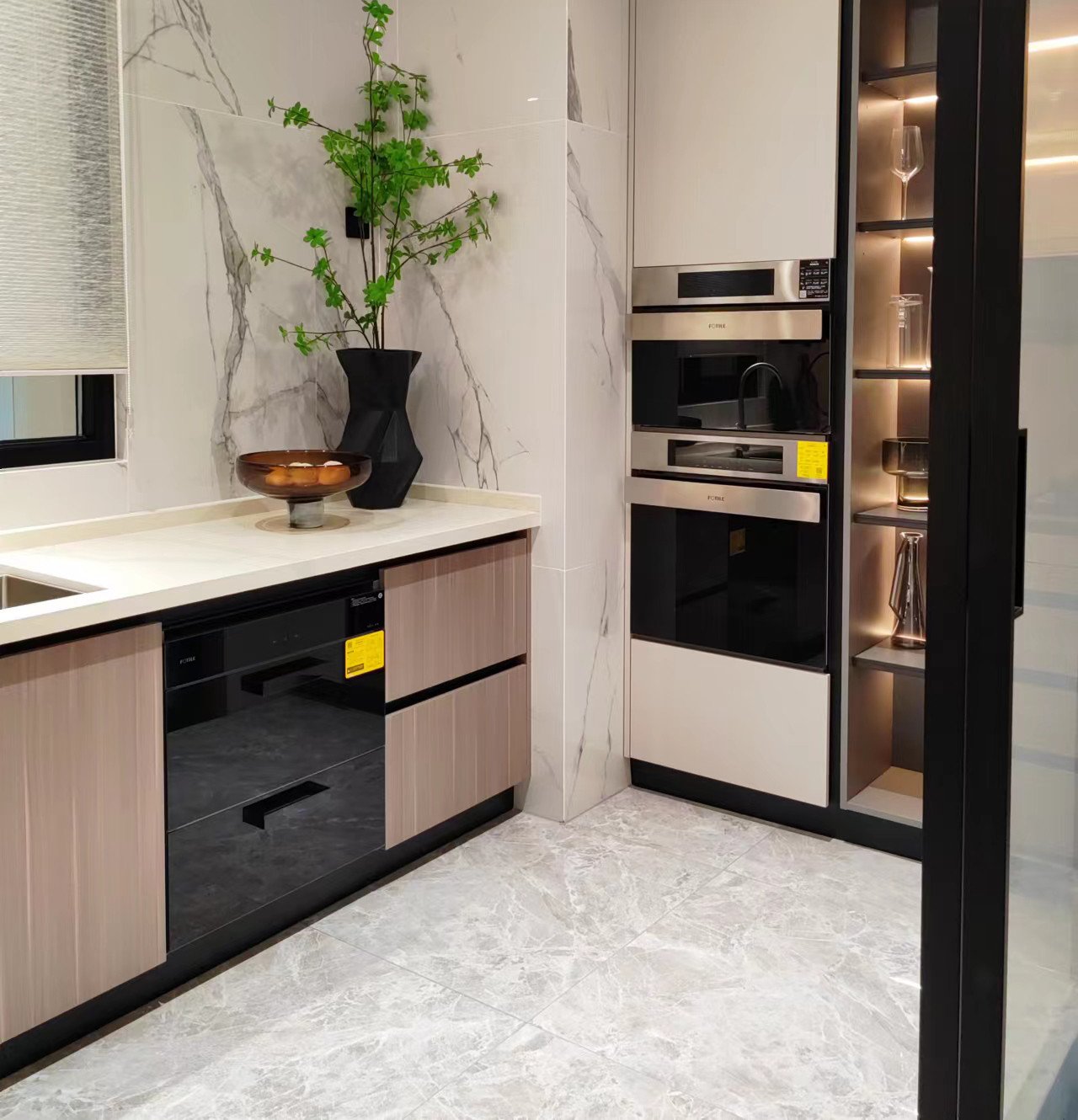
At Rui Xiang Aluminum, we believe supplying the panels is only part of the job. We also share processing parameters and guidance on equipment adjustments to help customers work out how the panels fit into their existing production process.
We also share practical observations from the market, including which applications may be easier to start with and what to consider when estimating costs for an initial order. When customers run into processing or assembly issues, we can discuss potential causes and possible solutions based on the situation.
Our customers work with different markets and customer groups, including local designers and project channels. Understanding these differences is important when deciding which products to introduce and how to position them. Our aim is to help customers make informed decisions, rather than simply supply materials and leave them to figure out the rest.
Start Small Before Expanding
We don’t recommend converting an entire production line to aluminum from the beginning. For most factories, that would be a major commitment before they know how the new category will perform.
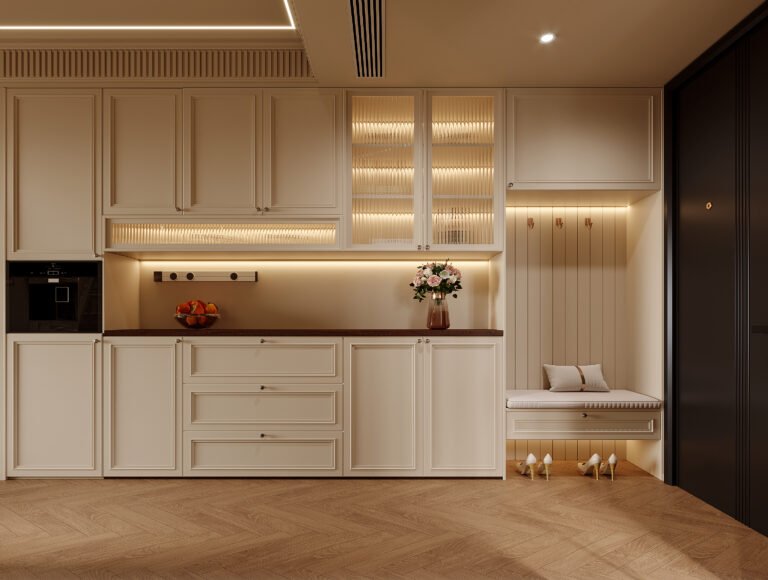
A more practical approach is to start with one application where moisture resistance matters, such as a bathroom vanity or balcony cabinet. Test the panels, run a trial order, and work through the production details. Once the process is more familiar and customer feedback is available, you can decide whether to expand into wardrobes, kitchens, or other categories.
Starting with one product gives your factory a chance to build experience and offer customers an option that may not be available from every competitor.
Let’s Talk About Your First Step
If you’re considering adding all-aluminum furniture to your product range, tell us what you currently manufacture and which applications you’re interested in. We can discuss suitable panel options, production considerations, and how to approach your first order based on your factory’s needs.