What Affects the Choice
Different applications impose different performance priorities on aluminum honeycomb panels.
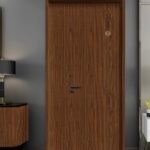
For example, wall cladding panels must resist wind load and maintain flatness across large surfaces, while furniture panels prioritize lightweight handling and surface finish. Transportation applications may focus on fire resistance and vibration durability.
Because of this, there is no universal “best specification.” The correct choice always comes from matching panel properties to real-world use conditions.
Key Evaluation Factors
- Application environment: Outdoor use requires weather-resistant coatings such as PVDF, while indoor applications allow more flexibility in finish.
- Structural requirements: Larger panel sizes require thicker cores to prevent bending or oil-canning effects.
- Surface and aesthetic requirements: High-end projects often require tight color consistency and defect-free finishes.
- Budget and lead time: Custom sizes, finishes, or certifications may increase cost and extend delivery time.
Recommended Selection Logic
Step 1 — Start from application scenario Is the panel used for façade, ceiling, furniture, or transport?
Step 2 — Determine panel size
Larger panels generally require increased thickness for stability.
The best aluminum honeycomb panel for your project
Step 3 — Select coating system
Choose PVDF for exterior durability, powder coating for interior cost efficiency, or anodizing for specific visual effects.
Step 4 — Finalize structural configuration
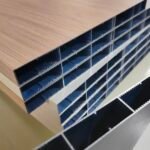
Adjust core thickness and density to meet stiffness requirements without unnecessary weight increase.
For most architectural uses, increasing core thickness is the most efficient way to improve performance.
Common Mistakes
- Mistake 1: Using interior-grade coatings for exterior applications, leading to premature fading or failure.
- Mistake 2: Over-specifying thickness without understanding actual load conditions, resulting in unnecessary cost.
What to Confirm Before Requesting a Quote
To receive an accurate quotation, prepare:
- Panel size and thickness requirements
- Total project quantity
- Installation method or support structure
- Surface finish and color specification
- Required certifications or standards
- Project timeline and delivery location
Clear requirements enable faster response and more accurate pricing.
Conclusion
Aluminum honeycomb panels are highly versatile, but their performance depends entirely on proper specification. Matching thickness, coating, and structure to the application ensures both performance and cost efficiency.