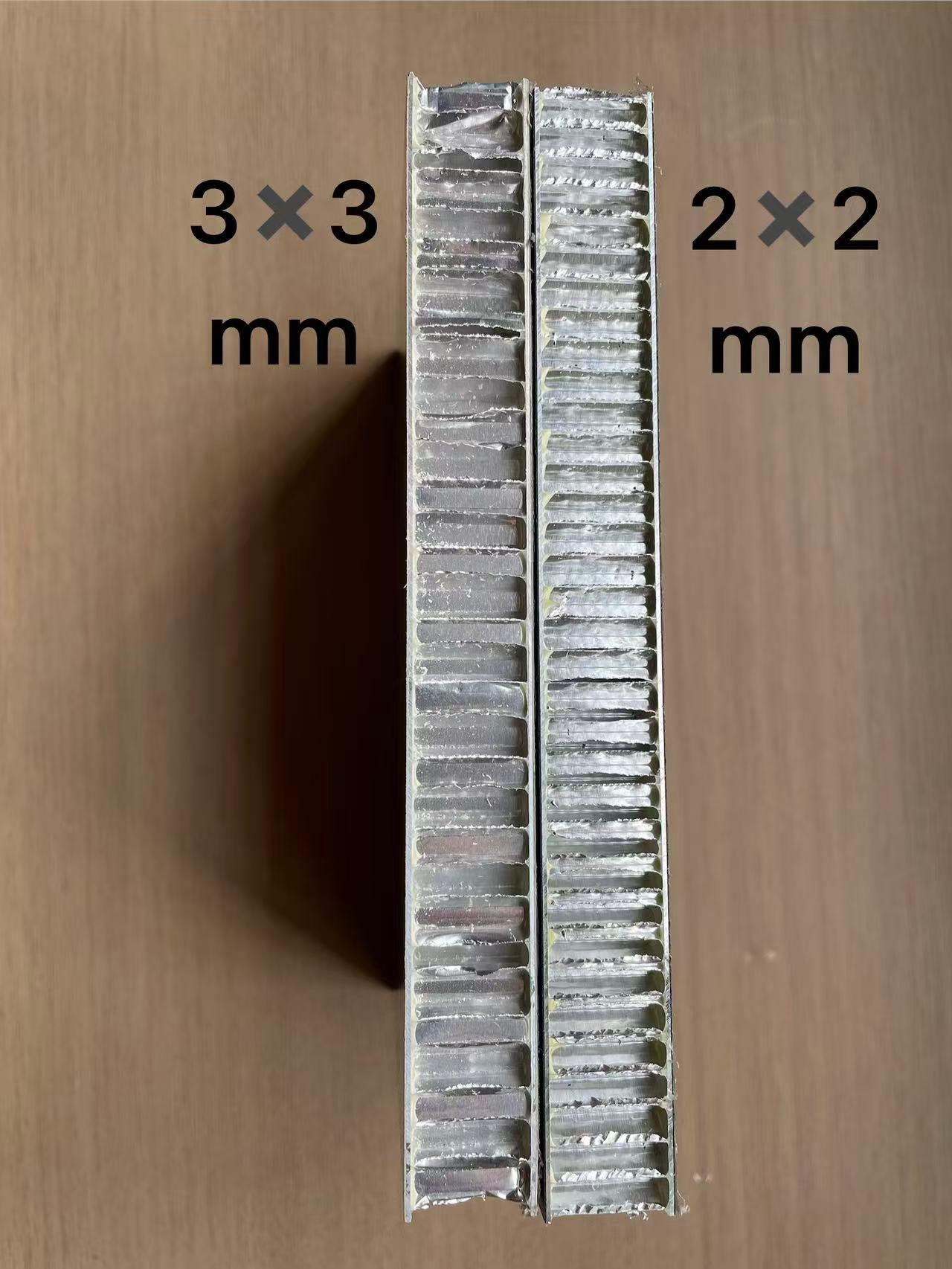
Cabinet manufacturers comparing quotations for aluminum honeycomb panels often find that a 2×2 core carries a slightly higher price than a 3×3 core. Our recommendation is straightforward: for tall wardrobe doors, wide cabinet fronts, and other broad visible panels, pay for the 2×2 core. For standard small panels, the 3×3 core is usually enough, and the extra outlay buys little that the application needs. This article explains the reasoning behind that recommendation and where the boundary sits, so you can decide per component family rather than per order.
Quick Comparison: 2×2 vs 3×3
| Application | Core recommendation | Reason or condition |
|---|---|---|
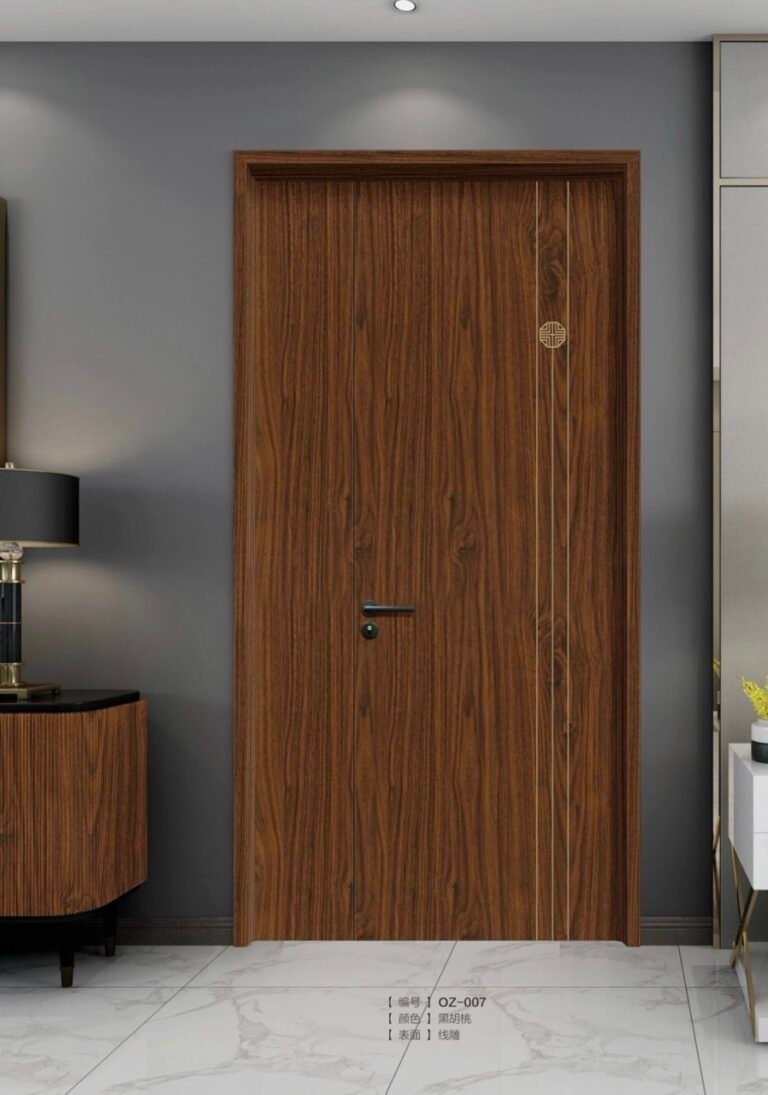
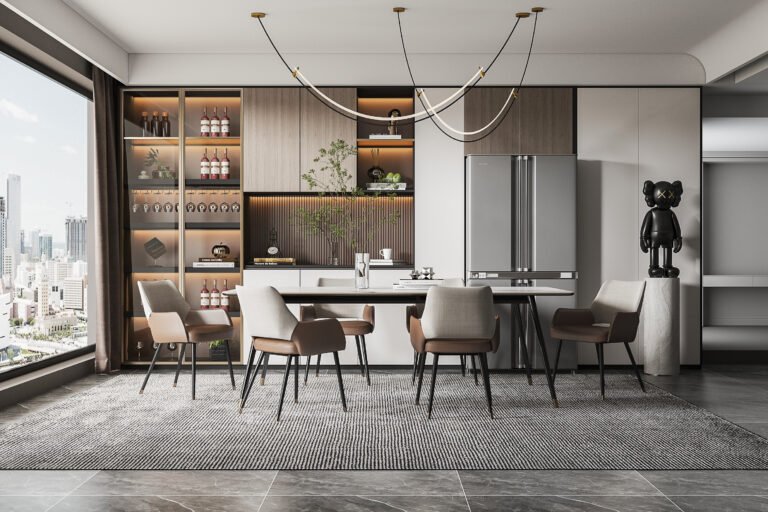
| Tall wardrobe doors and wide visible cabinet fronts | 2×2 | Closer support under the face skin on broad visible surfaces. |
| Standard small doors, cabinet bodies, dividers and internal panels | 3×3 is usually sufficient | Suitable for short spans and ordinary requirements. |
| Long shelves or panels with heavy hardware | Consider 2×2 for the specific component | Confirm loads, fixing details and any required assembly tests. |
Compare cores with the same face-skin thickness, overall panel thickness, foil and bonding process. Confirm actual cell dimensions on the specification sheet and test the finished assembly where specific load requirements apply.
What the Names Mean
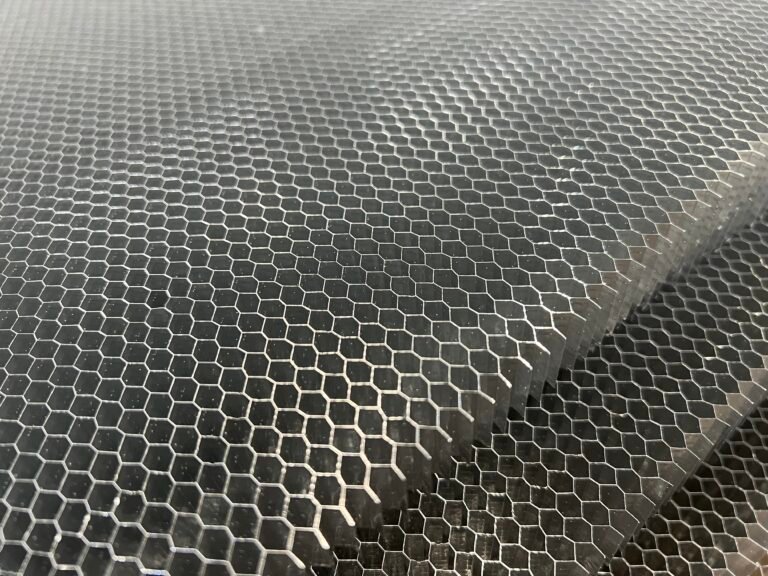
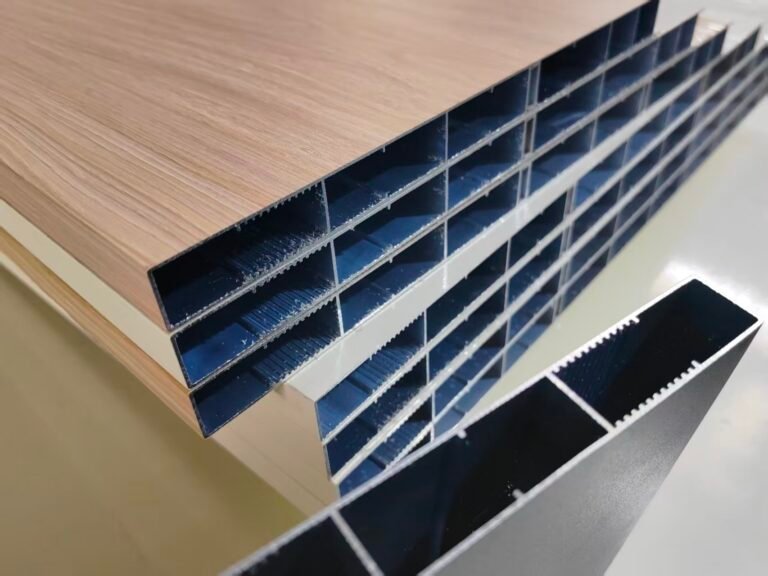
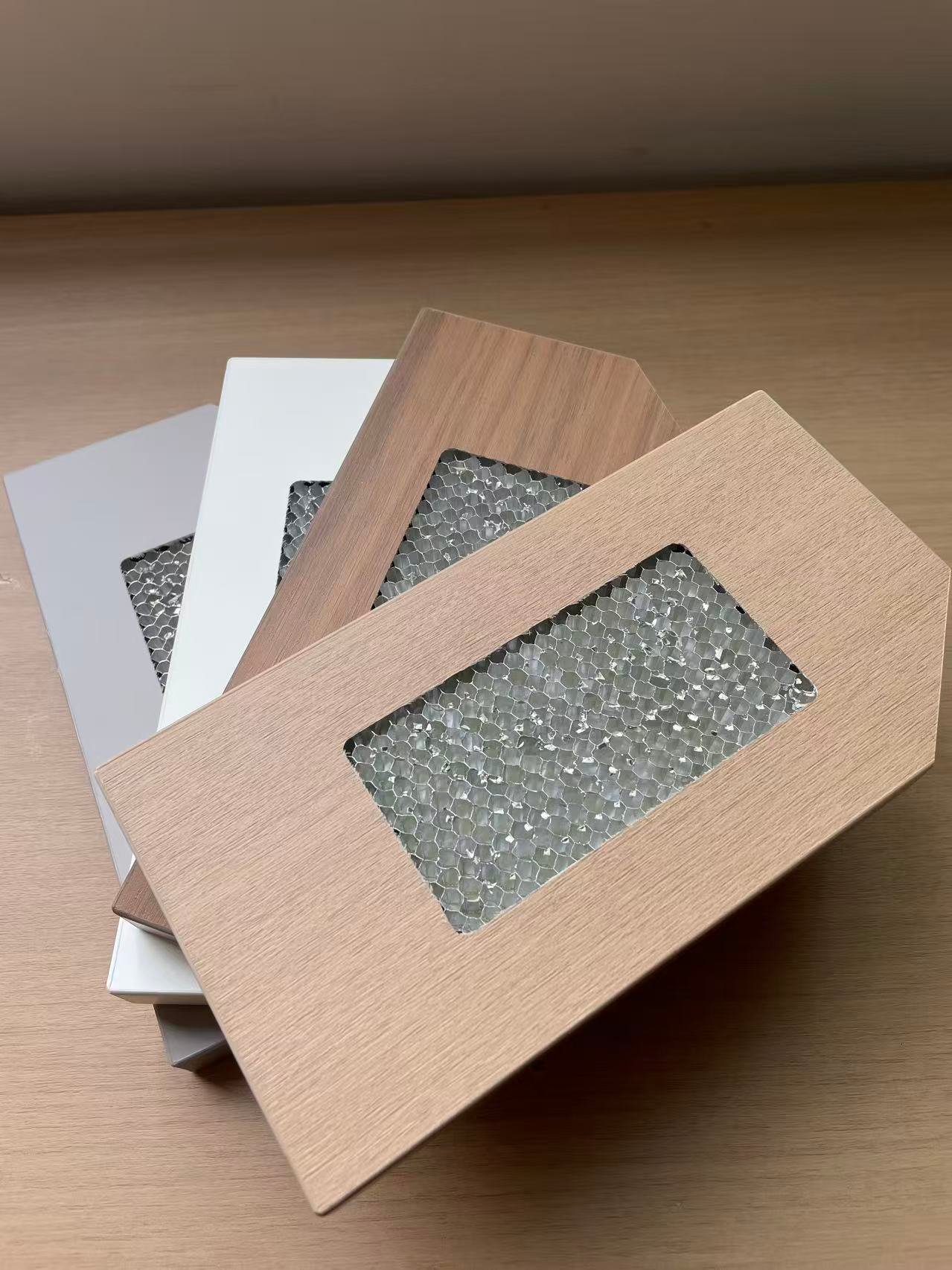
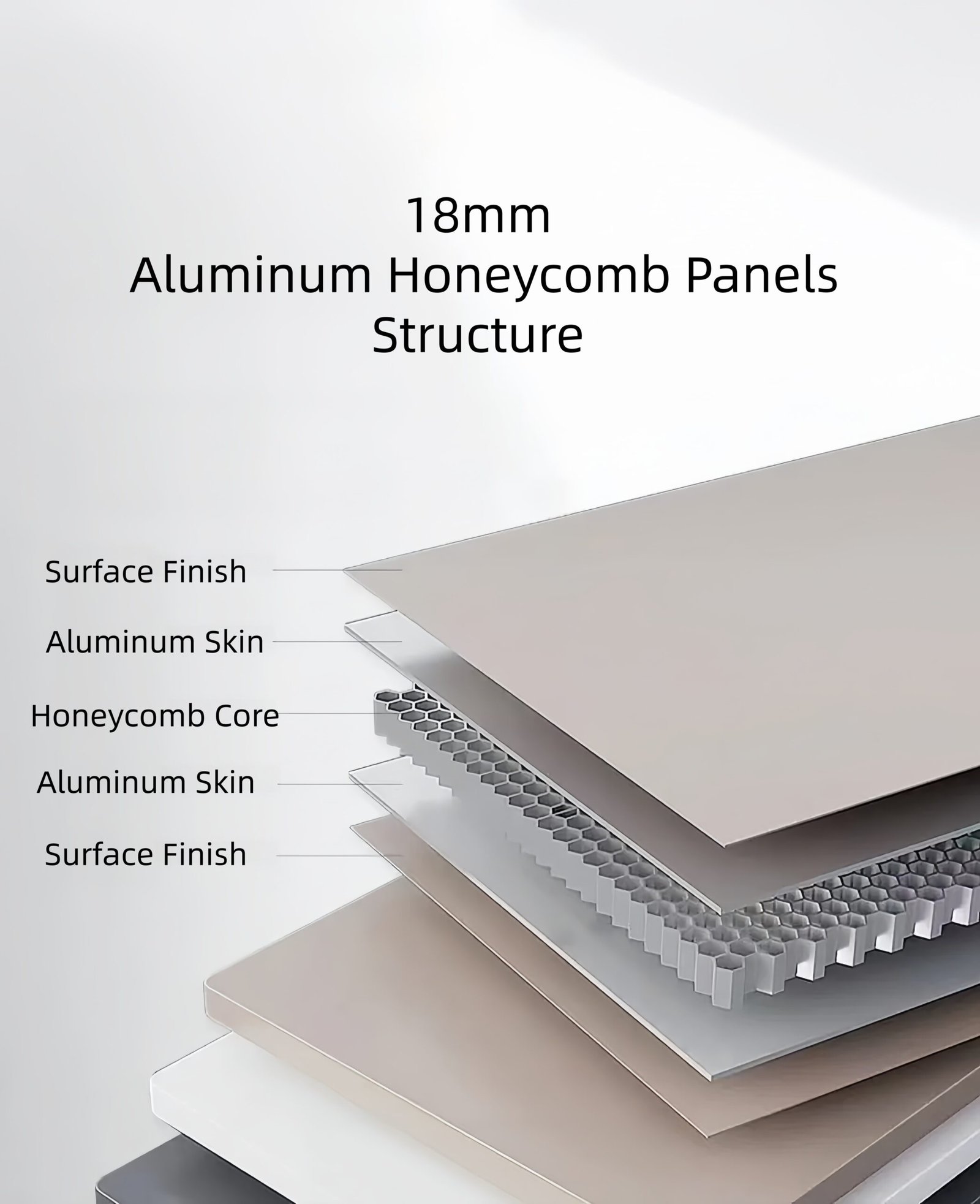
The 2×2 and 3×3 designations are specification names for the honeycomb core’s cell size, drawn from the approximate cell dimensions in millimeters. A 2×2 core has smaller cells and therefore more cell walls per unit area than a 3×3 core. The exact dimensions behind each name belong on the specification sheet of the quotation in front of you; treat the labels as configuration names, not as measured guarantees.
What the Denser Core Changes
With the rest of the panel held equal, a 2×2 core changes three things that matter to a furniture manufacturer.
Support spacing under the skin. More cell walls per unit area means the face skin is supported at closer intervals, so the unsupported span of skin between walls is shorter. On a broad, visible door front, widely spaced support can read as a shallow wave in the skin under raking light, an effect the industry calls print-through. Closer support is the main reason we specify 2×2 on large visible surfaces.
Local loads. A cabinet door does not load its panel evenly. Pressure concentrates at the handle, around the hinge cups, and at points that catch contact during handling and installation. A denser wall pattern beneath those areas is one factor in how the panel carries concentrated force. Where an application has specific load requirements, we ask for the finished assembly to be tested rather than relying on the core label alone.
Daily use at the edges. A door is opened and closed, moved during delivery, and adjusted during installation, and much of that action transmits through the door edge where the hinges and fasteners sit. The hinge and fixing areas need support throughout daily use. A denser core contributes to that support.
None of this makes the core the whole story. A well-chosen core does not rescue an undersized skin or a weak hinge mount, and a door that is well specified in every other respect may not need the denser core at all. The core is one input among several, and the sections below are about when that input earns its price.
Why We Recommend 2×2 on Tall Doors
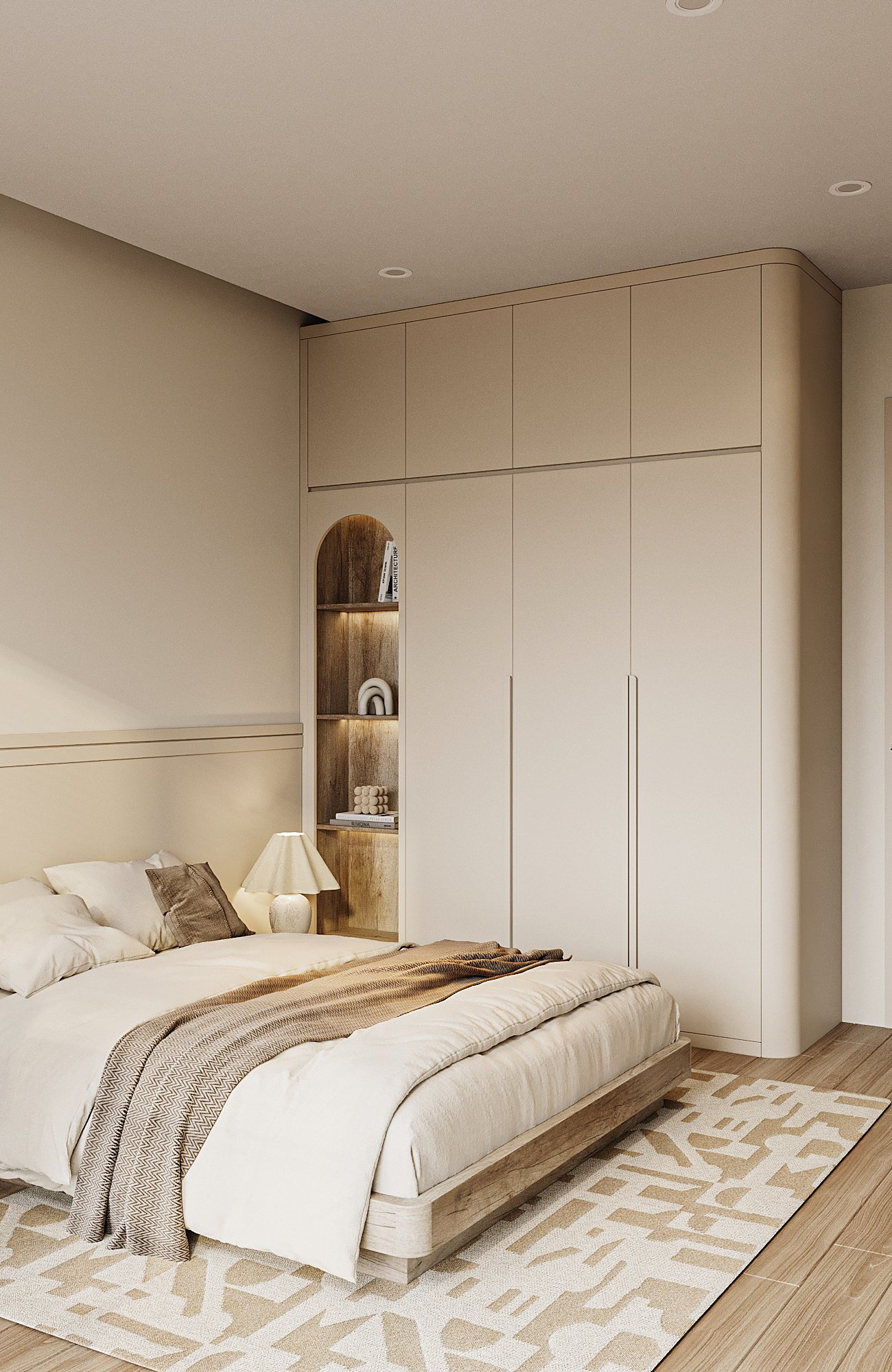
The tall wardrobe door is where the three effects above land on one component. It has the broadest visible face in the furniture, so skin support spacing shows up in the surface. It carries handle and hinge loads at defined points. And it is the door the customer opens every day, with the edge and hinge zone in constant service.
That is why, when a client asks us to choose, we put tall wardrobe doors and wide cabinet fronts on the 2×2 core and say so plainly. The small additional cost goes into a surface the customer sees and uses every day. The same reasoning applies to other wide visible fronts. For long shelves and panels with heavy hardware, we also review the component’s load and fixing details.
When the 3×3 Core Is Enough
For standard cabinet bodies, dividers, small doors and internal panels, we quote the 3×3 core by default. On short spans with ordinary requirements, it usually provides the core performance the application needs.
Choose the core for each component’s requirements. Panel size alone does not decide it: a small panel with heavy hardware or a visible finish can still warrant the denser core, and a large panel that is never touched and rarely seen may not. When we deviate from the default, we say which component and why, and we expect the same from any supplier you buy from.
What the Price Difference Buys
The additional material cost of upgrading from a 3×3 to a 2×2 core represents approximately 1% of the cabinet’s selling price on the same per-square-metre basis. For tall doors and broad visible cabinet fronts, we consider this a small premium worth paying. The improvements in performance, durability, and long-term stability matter to both the customer’s experience and the manufacturer’s reputation.
In our experience, clients keep reordering the denser core for tall doors and large cabinet fronts. It contributes to flat, even surfaces, supports the hinge and fixing areas under daily use, and helps doors stay stable over the service life of the furniture.
Brand reputation also depends on how these doors perform in daily use. A service visit, a replacement door or visible waviness can cost far more than the material saving. That is why we recommend the denser core for the visible and load-bearing components where it can help avoid those problems.
The decision rule we use with clients is simple:
- Budget for 2×2 on tall doors, wide fronts and other large visible panels. Assess long shelves and panels with heavy hardware for 2×2 using the component’s load and fixing details.
- Stay on 3×3 for standard bodies, small dividers, and internal panels that meet the project’s requirements.
- Decide per component family, not per order. A mixed specification is normal, and a supplier who cannot tell you which of your components actually need the denser core is quoting labels, not engineering.
Send Us Your Panel Requirements
To apply this to your own range, send us the door heights and widths, the face-skin specification you are considering, the surface finish requirements, and the hinge arrangement. We will mark up which components we would specify with the 2×2 core and which we would leave on the 3×3 core, and quote the panel accordingly.